
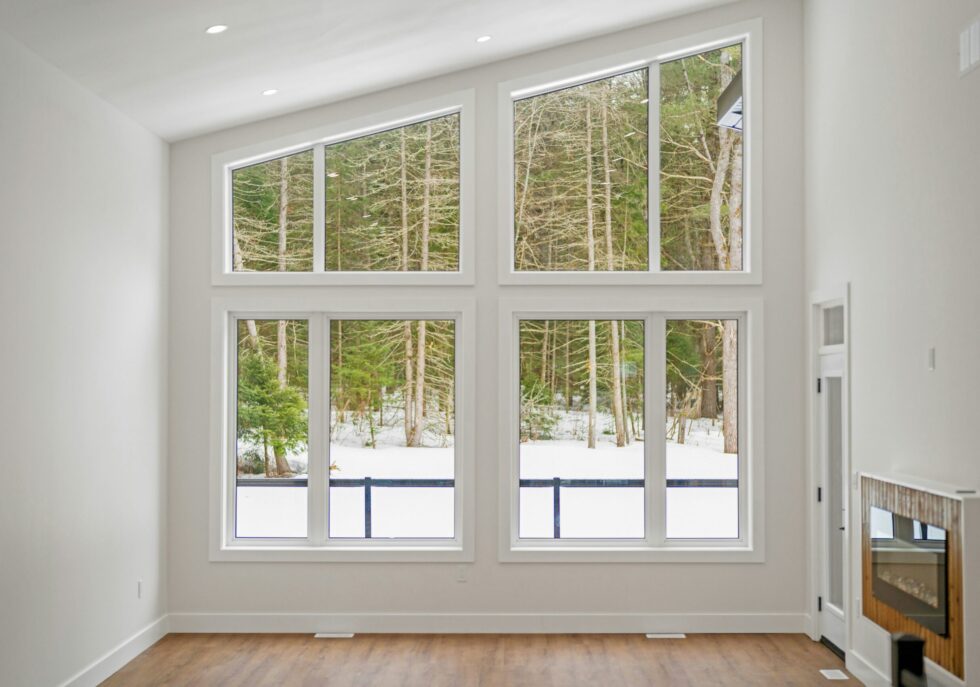
At Luxury Glass Tinting, most residential enquiries start with the same pattern. One room gets too hot in the afternoon. Another feels too exposed from the street. A television keeps catching glare at the same hour every day. The windows themselves are usually the source of the frustration, which is why home window tinting in Los Angeles often becomes the most practical upgrade once the problem is clear.
Tinting home windows works well because it improves the room without forcing a major renovation. Privacy, glare control, solar heat reduction, and UV protection can all be added at the glass, while the room keeps its natural light and its existing layout. Those are the benefits that make window film appealing in everyday homes, not just in show houses or heavily glazed properties.
1. Better Daytime Privacy Without Closing Off the Room
Privacy is one of the fastest reasons people look into tinting their home windows. Front-facing spaces, side windows near neighbours, and bathrooms often feel too open during the day, but keeping blinds or curtains closed all the time can make the room feel smaller and darker than it needs to.
A window privacy window film gives the glass a more useful role in the room. Sunlight can still come through, but outside visibility is reduced enough to make the space feel more comfortable and easier to use through the day.
2. Less Glare on Screens, Floors, and Work Surfaces
Glare is one of those problems that quietly shapes the way a room gets used. A room can look bright and still feel irritating once the sun starts hitting the television, laptop, dining table, or polished floor. People often adjust the room around the glare instead of fixing the glass itself.
Tinted film helps by softening that harsh light at the source. Living rooms, kitchens, and home offices usually feel more balanced once the glare level drops, and that improvement often shows up immediately in day-to-day comfort.
3. Cooler Rooms During the Hottest Part of the Day
Some windows pull too much heat into the room, especially in spaces with long afternoon exposure. Tinted film can reduce solar heat gain at the glass, which helps the room stay more stable and easier to cool. That is often the difference between a room that looks good in the morning and a room that still feels usable later in the day.
A household window tint is especially useful in sun-heavy rooms that keep forcing the air conditioning to work harder than the rest of the home. The result is usually felt as comfort first, with the energy benefit following behind it.
4. More Protection for Floors, Curtains, and Furnishings
Sun damage tends to show up slowly and then feel obvious all at once. Flooring starts to fade near the glass. Curtains lose colour. Upholstery and artwork take more wear than expected in bright rooms. Once that starts happening, the windows are doing more than bringing in light. They are also exposing the interior to repeated UV damage.
Tinted film adds a layer of protection that helps reduce that daily wear. This is one of the quieter benefits of residential film, but it becomes very valuable in rooms with timber floors, fabric furnishings, decorative rugs, or artwork near the window.
5. Better Alternative for Replacement Windows
Full window replacement is a much bigger decision. It takes more time, more budget, and more disruption to the home. In many houses, the glass is still structurally sound and simply needs to perform better.
That is where window film in Culver City becomes such a useful upgrade. It can improve privacy, glare control, heat performance, and UV protection without pushing the home into a full replacement project. For many households, that makes it one of the most practical upgrades available at the glass.

Which Part of Home Windows Should You Tint First?
The first windows people usually tint are the ones already causing a daily issue:
West-facing living room windows
These usually pull in the strongest afternoon sun and can make the room feel much hotter later in the day.
Front-facing bedroom windows
These are often tinted for added daytime privacy, especially in homes that feel too exposed from the street.
- Large kitchen windows with strong afternoon sun
Kitchens can stay bright but start feeling too harsh or too warm once the sun sits on the glass for hours.
- Bathroom or street-facing glass
These are common starting points when the goal is more privacy without shutting out all the natural light.
Home office windows with screen glare
Once glare starts hitting the laptop or monitor at the same time every day, film becomes a practical fix.
5 Differences To Notice After Residential Window Film Installation
Most homeowners start noticing changes quite quickly after residential window film installation, especially in rooms that receive strong afternoon sun or excessive glare throughout the day. While every property is different, the biggest improvements are usually felt through comfort, lighting balance and how the space functions daily.
Here are some of the most common differences people notice after installing residential window tinting.
1. The Room Feels Calmer During Peak Sun Hours
One of the first things many homeowners notice is that the room simply feels more comfortable during the hottest parts of the day. The sunlight still enters the space, but it feels softer and less aggressive compared to untreated glass.
Rooms that previously became:
- Overheated in the afternoon
- Difficult to sit in comfortably
- Too bright near windows
- Uneven in temperature
It often start feeling more balanced after installation.
This is especially noticeable in homes around Los Angeles and Culver City where strong afternoon sunlight can create heavy solar heat buildup inside the property.
2. Glare Becomes Easier to Manage
Glare reduction is another major difference people notice almost immediately. Harsh reflections across televisions, laptops, glossy flooring and kitchen surfaces usually become much easier to deal with after residential window tint installation.
This often improves the usability of:
- Living rooms
- Home offices
- Entertainment areas
- Dining spaces
- Open-plan interiors
Instead of constantly adjusting blinds or changing seating positions, the room generally feels easier to use throughout the brightest hours of the day.
3. The Exterior Appearance May Change
Residential window film can also change how the home looks from outside. Some window films create a lighter and more subtle appearance, while reflective window film can create a stronger mirrored finish depending on the product selected.
The final exterior appearance depends on:
- Film reflectivity
- Film shade
- Glass size
- Time of day
- Sunlight direction
Many homeowners prefer films that maintain a natural appearance while still improving comfort and heat rejection performance.
4. Daylight Often Feels Softer and More Comfortable
A common misconception is that residential window tinting automatically makes a room dark. In reality, many modern residential window films are designed to reduce harsh sunlight while still allowing a comfortable amount of natural light into the space.
Instead of feeling dark, the room often feels:
- Softer
- Less harsh
- More balanced
- Easier on the eyes
- More relaxing during the afternoon
The exact result depends on the type of film selected and the amount of existing daylight already entering the room.
5. Privacy Usually Improves More During the Day
Many homeowners also notice stronger daytime privacy after installing reflective or privacy-focused residential window film. During the day, outside visibility into the home is often reduced significantly while occupants inside can still see outward more comfortably.
However, night privacy still depends heavily on:
- Indoor lighting
- Exterior brightness
- Film type
- Reflectivity level
Once interior lights become brighter than outside lighting at night, the privacy effect may reduce. This is why film selection should always match both privacy expectations and room usage.
Residential Window Tinting Becomes More About Comfort Than Film
At some point, residential window tinting stops being only about the idea of adding film onto glass. It becomes about fixing a room that simply does not feel comfortable anymore.
Sometimes the issue is:
- Excessive afternoon heat
- Strong glare on screens
- Lack of daytime privacy
- Constant curtain usage
- Furniture fading near windows
- Rooms that feel too bright to relax in properly
Once homeowners identify the actual problem affecting the space, choosing the right residential window film usually becomes much clearer.
At Luxury Glass Tinting, we help homeowners across Los Angeles to choose residential window tint solutions based on how the room actually performs throughout the day. Whether you need reflective window film, skylight window tint, privacy film or stronger heat rejection, our team can recommend a more suitable option based on your home, glass type and comfort goals.