

In a city like Los Angeles, intense sunlight and long summer days can quickly turn any room into a heat trap. Therefore the rooms need more than a darker look on the glass. The window film has to control solar heat, keep glare down, and still suit the way the space is used during the day. Homes usually need a balance between comfort and natural light. Offices often need cleaner glare control and a finish that still looks professional from inside and outside. A well-planned solar control window tinting setup solves that much faster than trial and error.
That’s where solar window tint and commercial solar control window tinting come in. Today’s window film solutions are designed to do far more than tint. Instead of relying only on air conditioning, the right window film helps:
- Block solar heat before it enters
- Reduce glare on screens and surfaces
- Improve energy efficiency
- Maintain natural light without overheating
7 Best Window Film Types for Hot Rooms (Homes & Offices)
1. LLumar Reflective Window Film

LLumar Reflective Window Film is a strong fit for west-facing living rooms, front bedrooms, and spaces that need stronger daytime privacy. LLumar positions this film around heat control, glare reduction, UV protection, and a mirror-like exterior appearance during the day. It suits rooms that run hot and also feel too exposed from the street.
2. LLumar Dual-Reflective Window Film

LLumar Dual-Reflective Window Film works better in rooms that are used both day and night. It keeps the reflective outer layer for daytime sun control, while the interior side stays more neutral so the inside view feels clearer after dark. That makes it a balanced option for both residential and commercial solar control window tinting where heat, glare, and a cleaner interior finish all need to be handled together.
3. Madico Optivision®

Madico Optivision® is a premium solar control window tinting and also another strong option for spaces that need solar control without giving up a clearer night-time view. Madico describes it as a dual-reflective film that reduces glare, blocks UV rays, improves energy efficiency, and keeps inside reflectivity lower than standard reflective products. It suits home offices, meeting rooms, and brighter family spaces where the view still matters after sunset.
4. Solar Gard TrueVue

Solar Gard TrueVue is aimed at spaces that want strong heat control with a lighter visual effect on the glass. Solar Gard says TrueVue can reject up to 82% of total solar energy while helping maintain exterior views day and night. It is a good fit for people who want high-performance solar window tint without a heavily mirrored finish across the whole room.
5. Hüper Optik Ceramic 35
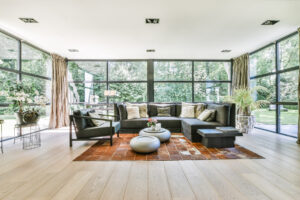
Hüper Optik Ceramic 35 is designed for strong glare reduction with excellent daytime privacy. As a nano-ceramic film, it suits rooms that need heat control but still want a cleaner, less metallic appearance on the glass. It works especially well for kitchens, family rooms, and office areas where the room still needs to feel open.
6. Hüper Optik Fusion 28
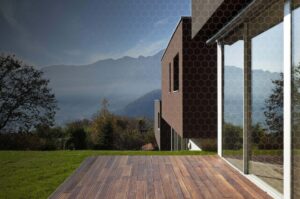
Hüper Optik Fusion 28 balances light control and seclusion, which makes it a useful option for both residential and commercial spaces. Hüper Optik positions it for environments that want privacy, comfort, and a refined look at the same time. This makes the window film useful for boardrooms, reception spaces, street-facing offices, and front rooms in homes where glare and visibility from outside both need attention.
7. Gila Heat Control Titanium
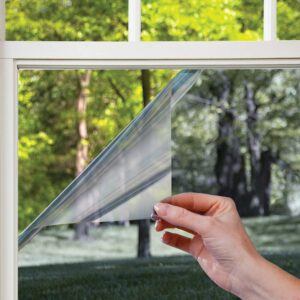
Gila Heat Control Titanium is a cost-effective window film option for smaller residential projects or people who want a more budget-conscious route. Gila says this window film helps block heat, reflects UV rays, reduces glare, and gives superior daytime privacy with a reflective exterior. It is a good entry-level solar window tint for utility rooms, small home offices, side windows, and other areas where performance still matters but the budget is tighter.
Best Window Film Options by Room Type
Room Type | Recommended Film | Application |
| West-facing living rooms | LLumar Reflective or Solar Gard TrueVue | Higher solar control, glare reduction, daytime privacy |
| Bright kitchens and family rooms | Madico Optivision® or Hüper Optik Ceramic 35 | Balanced heat control with better light retention |
| Boardrooms, client-facing offices, reception areas | LLumar Dual-Reflective or Hüper Optik Fusion 28 | Cleaner internal appearance, glare control, professional finish |
| Smaller budget-led home projects | Gila Heat Control Titanium | More practical option for tighter budgets |
| Commercial solar control window tinting | Dual-reflective, neutral, or nano-ceramic films | Heat control, glare reduction, more refined commercial appearance |
Conclusion: Which Window Films Are Best for a Hot Room?
Hot rooms usually point to one clear issue. The glass is pulling in more heat than the room can handle comfortably. A proper window film recommendation can solve that while still keeping the look of the space intact. Speak with Luxury Glass Tinting for a tailored assessment, and let our team narrow down the right option for your windows, your light levels, and the finish you want to maintain.
Frequently Asked Questions
1. What type of window film is best for hot rooms?
The best window film for hot rooms is usually a high-performance solar control film that reduces heat without making the room feel too dark. Reflective films suit stronger sun exposure, while clearer films suit brighter rooms that still need natural light.
2. Is solar window tint good for office windows?
Yes. Solar window tint for office windows helps reduce indoor heat, cut glare on screens, and improve comfort in workspaces with long sun exposure.
3. What film is recommended for west-facing windows?
West-facing windows usually need stronger solar control because they take harsher afternoon sun. Reflective and high-performance solar films are often more suitable for these rooms than lighter decorative options.
4. Will window film make a room look too dark?
Not always. Some window films are designed for stronger privacy and a more reflective appearance, while others focus on heat reduction with a lighter and more neutral finish.
5. What is the difference between residential and commercial solar control window tinting?
Residential films are often chosen around comfort, glare control, privacy, and interior appearance. Commercial solar control window tinting usually also needs to consider screen glare, façade appearance, and a more professional finish across larger glass areas.