
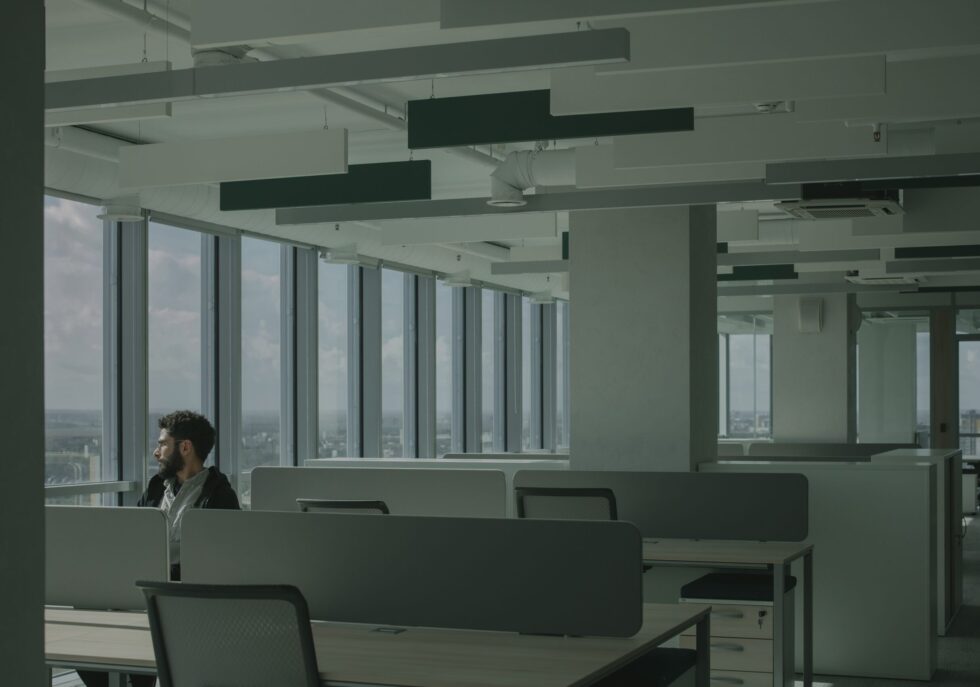
A bright office can still be uncomfortable to work in. Heat tends to build up near the windows, glare lands on screens, and some areas of the office end up harder to use than others. Window film is often used to bring those spaces back under control without shutting out the daylight or changing the layout of the office.
In commercial spaces, film is usually doing more than one job. It can help with comfort, privacy, branding, and security at the same time. That is why commercial window film is often part of the conversation once the glass starts affecting how the office feels during the day.
Understanding Office Heat and Glare Issues
OSHA guidance on office glare from windows and overhead lighting supports this point because glare can make screen-based work harder and affect visual comfort. This is why office glare should be treated as a workspace performance issue, not only a minor inconvenience.
Uneven temperatures near the glass
One side of the office often feels warmer than the rest once the sun starts sitting on the windows. This usually shows up first at perimeter desks, in meeting rooms with broad glazing, and in open-plan areas facing the sun.
Glare on monitors and presentation screens
Glare is one of the fastest ways to make a workspace harder to use. Screens become difficult to read, staff keep adjusting blinds, and presentation rooms stop feeling practical during bright hours.
Bright rooms that still feel uncomfortable
An office can have plenty of natural light and still feel tiring to sit in. Heat, glare, and visual discomfort often build together, which is why offices usually look at film once the windows start affecting concentration and day-to-day use.
Window Film for Better Office Comfort and Light Control
The U.S. Department of Energy explains that window films help block solar heat gain, glare, and ultraviolet exposure. This supports the role of office window film in reducing harsh sunlight at the glass while keeping the space usable and bright.
Solar heat reduction
Solar control film helps reduce the amount of heat entering through the glass. This can make desks near the façade feel more stable through the day and reduce the intensity of afternoon heat in meeting rooms and work zones.
Glare reduction without closing the blinds
Film helps soften direct sunlight at the glass, which makes screens easier to use while still allowing natural light into the space. This is one of the reasons window film for heat reduction is often chosen over simply keeping the blinds closed all day.
A more balanced working environment
Once the sun is less aggressive on the glass, the office usually feels calmer and easier to work in. That can mean fewer hot spots, less visual strain, and a workspace that feels more even from one side of the floor to the other.
High-Impact Office Areas for Window Film Installation
For perimeter desks, meeting rooms, reception areas, and front-facing offices, commercial window tinting in Los Angeles can help improve heat control, glare reduction, privacy, and the overall comfort of the workplace.
Perimeter desks
These are often the first areas to show signs of discomfort because they sit closest to the sun-exposed glass. They usually feel the heat and glare first.
Meeting rooms with large windows
Meeting rooms with broad glazing can look impressive but become difficult to use during the hottest part of the day. Film is often brought in here once the room starts feeling too bright or too warm for normal use.
Reception and waiting areas
These spaces need to stay comfortable and look polished at the same time. If the glass is too exposed, too bright, or too hot, the problem becomes visible very quickly.
Executive offices and front-facing rooms
Rooms with stronger afternoon exposure or more visible glass often need a combination of comfort and privacy. These spaces usually come up early in a commercial film assessment.
Best Commercial Window Film Options for Offices
Solar control window film
Solar control film is often the first option for offices dealing with heat and glare. It is built to cut solar gain and make bright areas easier to use through the day. A heat reducing window film in this category is often the most direct answer for perimeter desks and glass-heavy meeting rooms.
A GSA report explains that solar-control films reduce cooling demand by reflecting or absorbing solar energy before it reaches interior spaces. For offices with sun-facing glass, commercial solar control window tinting can help reduce heat and glare without making the office feel closed off.
Privacy window film
Privacy film suits meeting rooms, HR offices, executive offices, and other spaces where visual screening is part of the brief. Frosted and privacy films can make the glass more discreet without making the room feel closed in.
For meeting rooms, HR offices, executive rooms, office partitions, and glass areas that need visual screening, white frost window film can add privacy while still allowing natural light to pass through.
Decorative and branding film
Some offices want the glass to support the look of the space as well as its function. Decorative and branded films are often used on partitions, entry glass, and client-facing spaces to add frosted logos, graphics, or a more finished internal look.
Security window film
Security film is often used where another layer of protection is needed at the glass. In office settings, that can mean helping hold broken glass together and adding delay in forced-entry situations.
What to Review Before Installing Office Window Film?
NREL notes that customers choose window film for glare, excessive light, heat, daytime privacy, and appearance. This supports a zone-by-zone office film recommendation, where each glass area is matched to the real problem it creates instead of applying one film across every pane.
Sun direction and exposure
The way the sun moves across the office changes how the glass behaves throughout the day. A west-facing boardroom will not need the same solution as a shaded internal partition.
Glass size and room function
Larger glazed areas tend to carry more heat and glare into the space. The use of the room also shapes the film choice, especially when meeting rooms, workstations, and reception areas all need different outcomes.
Privacy and visual finish
Some offices need the glass to stay subtle. Others need stronger privacy, decorative branding, or a more visible finish. Those visual requirements need to be clear before the film is chosen.

Conclusion
Window film can improve comfort in office spaces, but the result depends on matching the film to the office properly. Some spaces need stronger solar control. Some need privacy. Some need both. Luxury Glass Tinting can assess the glass, the layout, and the problem areas, then help narrow down the film that fits the way the office is actually used. If the windows are already affecting comfort, focus, or privacy, get in touch and we’ll help you work through the next step clearly.