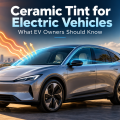
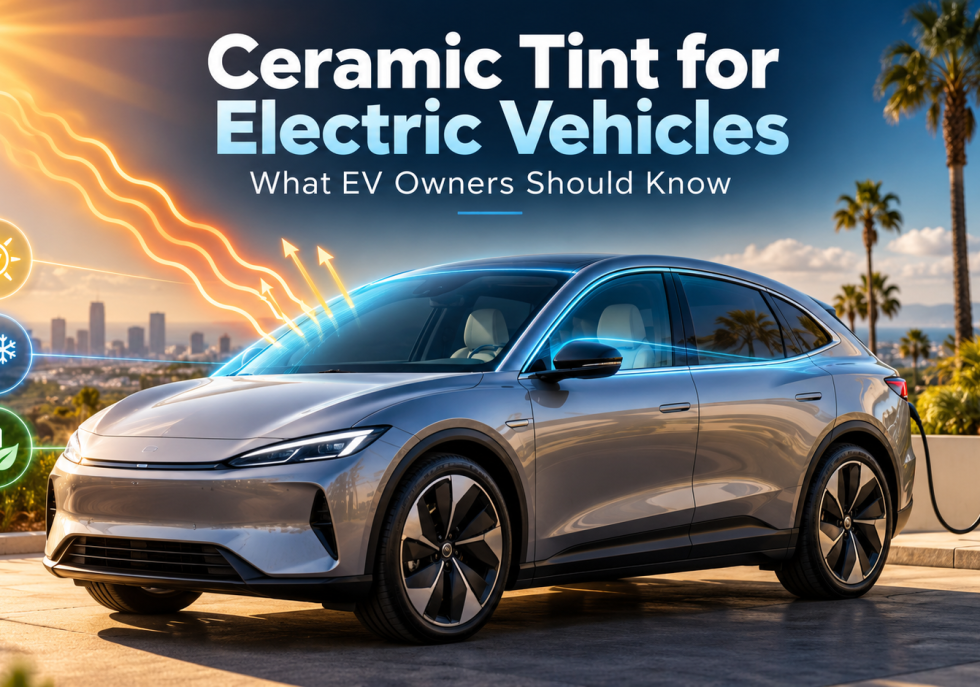
Electric vehicles are built around efficiency, yet a hot cabin can make even a short journey uncomfortable. Modern EVs often feature large windows, panoramic roofs, and quiet, tightly sealed interiors. That raises a practical question: Is ceramic tint worthwhile for EV owners, and can it help preserve driving range?
The short answer: good ceramic window film can reduce solar heat entering through treated glass, improve passenger comfort and potentially lower air-conditioning demand. It does not directly increase battery capacity, and no reliable universal percentage shows how much tint extends EV range. Film choice, existing glass, and driving conditions all matter.
This EV owner tint guide explains the technology, performance figures, Tesla considerations, and California installation rules.
What Is Ceramic Window Tint for Electric Cars?
Ceramic tint is a thin automotive film containing engineered ceramic particles or layers that manage solar energy. It is normally fitted to the inside of approved vehicle windows. Unlike some reflective metallised films, many ceramic products use non-conductive, non-metallic construction, which is useful in vehicles packed with wireless equipment.
The main difference from basic dyed film isn’t just darkness. A well-designed ceramic film can reject significant infrared and total solar energy while remaining relatively light. Performance depends on the exact product, not just a label such as “premium” or “nano-ceramic.”
Luxury Glass Tinting’s automotive window tinting options include LLumar ceramic and higher-tier films to match different comfort and appearance preferences.
Why EV Cabin Cooling Matters
Electric vehicles use battery energy for propulsion and cabin climate control. When the sun heats seats, the dashboard and other surfaces, the air-conditioning system must remove some of that heat to maintain the selected temperature.
This is especially relevant during stop-start traffic, sunny commutes and after the vehicle has been parked outside. Expansive glazing can admit solar radiation, although the roof, bodywork, ventilation and factory glass also affect heat gain.
EV interior heat management is therefore more than a styling concern. Reducing unnecessary heat entering the cabin can improve comfort and may reduce the work the air conditioner must do. It does not remove the need for cooling or make a parked car safe for children or pets.
Does Ceramic Tint Improve EV Battery Range?
Possibly, under some conditions—but claims need context. Tint and battery range are linked indirectly: less solar heat entering the cabin can mean less energy used for cooling, leaving more battery energy available for driving. The size of any benefit depends on sunlight, glazing area, the driver’s temperature setting, journey length and how efficient the climate-control system already is.
Research supports the broader principle, not a guaranteed range gain from aftermarket ceramic film. In a National Renewable Energy Laboratory study, a specific solar-control laminated-glass configuration produced a modeled 4% reduction in air-conditioning power and an EV range benefit. That study examined solar-control glass, not a universal result for ceramic tint installations.
Avoid claims that ceramic tint automatically adds 10%, 20% or a fixed number of miles to every charge. Its most dependable benefit is reduced solar exposure through the treated windows, with any tint impact on EV range remaining vehicle- and journey-dependent.
How to Compare Ceramic Tint Performance
Choosing the best tint for electric cars starts with a proper product specification sheet. Four figures are particularly useful:
- VLT (Visible Light Transmission): the percentage of visible light passing through the tested glazing. Higher VLT looks lighter; darkness alone does not establish heat performance.
- TSER (Total Solar Energy Rejection): the percentage of incoming solar energy rejected by the tested glass-and-film assembly. This is a helpful overall heat-control comparison.
- IRER (Infrared Energy Rejection): an infrared performance measure that accounts for how the glazing manages energy. It is not interchangeable with TSER or a selective infrared headline.
- UV rejection: the measured ultraviolet radiation blocked over the manufacturer’s specified wavelength range.
Compare products at similar VLT and under similar test conditions. A film advertised as rejecting 95% of selected infrared wavelengths does not mean the cabin becomes 95% cooler or uses 95% less electricity.
Five Practical EV Window Tint Benefits
1. Greater comfort during sunny journeys
Quality EV cabin cooling tint can reduce some of the solar energy striking occupants, making the interior feel less harsh beside sunlit windows. Results depend on the original glass and the film you choose.
2. Potentially lower cooling demand
With less heat entering through treated glazing, the climate-control system may have less work to do. This supports efficiency, but don’t promise actual electricity savings without vehicle-specific testing.
3. UV protection for people and upholstery
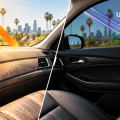
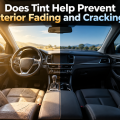
Many premium films reject up to 99% or more of measured UV radiation. This can reduce exposure through treated windows and help slow sun-related fading of seats, trim and dashboard surfaces. It does not replace sunscreen or other protection.
4. Reduced glare and more privacy
The right shade can soften bright side-window glare and discourage casual views into the cabin. Excessively dark film, however, may worsen night-time visibility.
5. A clean appearance without metallic reflection
Non-metallized ceramic products can complement an EV’s modern design while avoiding the reflective appearance of some metallic films.
Tesla Ceramic Tint: What Makes It Different?
Tesla ceramic tint is particularly popular because Model 3 and Model Y designs feature generous glass areas. But factory glazing varies by model and year, and some glass already includes UV and solar-control treatments.
Before tinting a Tesla, ask the installer to assess the exact model, rear-glass layout, interior trim, and any cameras or sensors close to the intended film. Do not assume that film suitable for one model year is automatically appropriate for another.
Luxury Glass Tinting’s Tesla window tinting service discusses ceramic options for Model 3 and Model Y. Other EVs, including those from Hyundai, Kia, BMW and Rivian, also deserve vehicle-specific advice.
Should You Tint an EV’s Panoramic Glass Roof?
A glass roof can admit noticeable overhead light and heat, but it may already use dark, laminated or heat-managed glazing. Adding film changes how the glass absorbs and releases solar energy. On some constructions, that may introduce thermal stress or warranty concerns.
Never assume an oversized roof is safe to tint solely because it is glass. An experienced installer should check the vehicle manufacturer’s instructions and the film manufacturer’s glass-compatibility approval before suggesting roof film. A removable roof shade may be a safer or more flexible option when compatibility is uncertain.
Likewise, full-windscreen film requires separate legal and camera-compatibility checks; a near-clear appearance does not automatically make it permitted.
Will Ceramic Tint Affect EV Electronics?
Modern EVs rely on mobile connectivity, navigation, Bluetooth, keyless access, satellite receivers and sometimes toll transponders. Properly specified non-metallic ceramic film is generally designed to minimize radio-frequency interference compared with certain metalized films.
However, no film can guarantee flawless reception. Factory metallic glazing, antenna locations and incorrect toll-tag positioning can still affect performance. Consult the vehicle and toll operator’s instructions. Optical cameras and driver-assistance sensors are a different issue: a film’s radio compatibility does not mean it is approved over camera viewing areas.
California Tint Laws EV Owners Must Check
Electric vehicles are subject to the same relevant California glazing restrictions as other cars. Under California Vehicle Code section 26708, qualifying clear, colorless front-side-window film has strict requirements, including at least 88% VLT for the film itself, compliance for the finished glass-and-film assembly, and the required certification.
Ordinary full-windscreen aftermarket tint is generally restricted; limited top-strip and medical exceptions have separate conditions. Rear glass rules are different, and any proposed roof treatment also needs safety and compatibility checks.
Ask for a window-by-window legal assessment rather than accepting the claim that any ceramic shade is legal. Existing factory tint affects the final amount of visible light transmitted.
Choosing and Caring for EV Window Film
When comparing electric vehicle window film, identify which glass areas cause discomfort, then ask for exact film names, TSER and VLT data, warranty terms, and compatibility confirmation. A premium film on the most problematic legal windows may deliver better value than paying extra for darkness everywhere.
Professional installers should protect electronics and trim from installation liquid, avoid sensor areas, and inspect the finished edges. Afterward, keep movable windows closed and avoid cleaning the interior film for the product-specific curing period. Once permitted, use an approved mild cleaner and a soft microfibre cloth.
To reduce AC load in an EV, combine suitable tint with shaded parking, a removable sunshade where appropriate, and preconditioning while plugged in. These measures complement one another without requiring an exaggerated promise about miles gained.
Frequently Asked Questions
1. Does ceramic tint increase an electric car’s range?
It may help indirectly by reducing solar heat gain and potentially air-conditioning energy use. No universal range increase is established for aftermarket ceramic tint; results depend on conditions, the vehicle, and the treated glass.
2. Is ceramic tint better than dyed tint for EVs?
Often for heat control at similar shades, although individual products vary. Dyed films can provide privacy and UV protection, while higher-performance ceramic products may offer greater total solar energy rejection.
3. Will ceramic tint save battery power in summer?
It may reduce the cooling load on hot, sunny journeys. Actual battery savings are usually difficult to isolate from traffic, speed, weather, and preconditioning, so don’t expect a fixed improvement.
4. Is ceramic window tint suitable for Tesla Model 3 and Model Y?
Many side-window applications are possible with a professional assessment. The installer must check the model year, specific glass, applicable tint law, and sensor locations. Roof treatment requires additional compatibility checks.
5. Can ceramic tint interfere with EV charging or battery management?
Interior glass film does not directly change battery chemistry or charging hardware. Properly selected non-metallized film also minimizes typical radio-interference concerns, although it cannot fix weak wireless reception.
6. Should I choose the darkest tint for maximum EV efficiency?
No. VLT measures visible darkness, not total solar heat rejection. A lighter, high-TSER ceramic film may outperform a darker basic film while preserving safer visibility and meeting applicable restrictions.
7. Does ceramic tint make a panoramic EV roof safer from heat?
Not automatically. Roof films can change glass temperature and thermal stress; only install a product after vehicle-specific approval. Existing factory glass and a removable shade may already provide suitable protection.
8. How long should I wait before lowering newly tinted EV windows?
Follow the film manufacturer’s and installer’s instructions, typically for several days. The film can continue drying after the initial restriction ends. Avoid pressing moisture bubbles or cleaning the interior film prematurely.
Final Verdict: Is Ceramic Tint Worth It for EV Owners?
For drivers dealing with bright Southern California sunshine, ceramic tint can be a worthwhile comfort upgrade for EV owners. It can reduce solar heat entering through approved windows, filter UV radiation, and potentially lessen cooling demand. But it is not a battery upgrade, and efficiency claims should be kept realistic.
Explore Luxury Glass Tinting’s ceramic window tinting service or contact the Culver City team to discuss your EV model, legal film options, and a vehicle-specific quotation.