
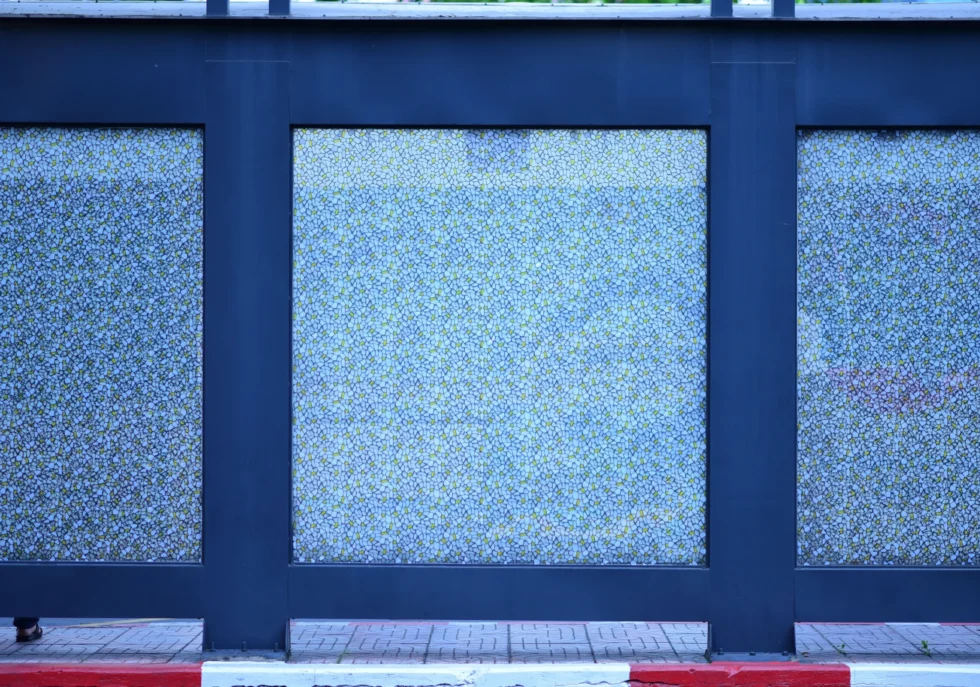
Glass is one of the most useful materials in a commercial space. It brings in light, opens up the room, and makes a business feel more visible. At the same time, too much transparency can quickly become a problem. A storefront may feel too exposed from the street. An office may look clean on the plan but feel uncomfortable once meeting rooms, consultation areas, and internal partitions are in daily use.
That is why privacy in commercial spaces is rarely a simple yes-or-no decision. Most businesses do not want to block everything. They want to control what can be seen, where visibility should stop, and how the space should feel once people are inside it.
This is where privacy window film becomes useful. When chosen properly, it can help a storefront feel more polished, make an office easier to use, and give certain parts of the glass more purpose without replacing the glazing. In many cases, it becomes one of the most practical upgrades a business can make because it improves privacy, presentation, and daily comfort at the same time.
Commercial Privacy Film for Offices, Storefronts, and Workspaces
Commercial privacy is not only about hiding the inside of a room. More often, it is about making the space work properly.
A business may want clients to feel more comfortable during a consultation. A team may need internal meeting rooms to feel more private. A storefront may want the front area to stay open while screening work zones further inside. In each case, the glass is not the problem by itself. The problem is that the current level of visibility no longer matches the way the business operates.
That is an important distinction. Businesses often assume privacy film is only there to block the view. In reality, it is often there to improve control. Once that control is in place, the room usually feels calmer, more organised, and more intentional.
A modern commercial space can still feel open without feeling overexposed. That balance is usually where the strongest privacy-film result sits.
Storefronts and Offices Need Different Types of Privacy
One reason businesses sometimes get privacy film wrong is that they treat all commercial glass the same way. A storefront and an office may both use large glazed areas, but they rarely need the same outcome.
A storefront still depends on visual appeal. It needs to attract attention, communicate the brand clearly, and feel welcoming from the outside. If the frontage is screened too heavily, the business can lose some of that pull. On the other hand, if everything is left fully exposed, the interior may look cluttered or too open for the type of service being offered.
An office usually works differently. It may still value openness, but the need for control is often higher. Meeting rooms, internal partitions, interview spaces, HR areas, and front-facing offices all create moments where full transparency no longer suits the room. In these spaces, office privacy window film often becomes less about appearance alone and more about practicality.
How Privacy Film Improves Comfort, Focus, and Discretion
A well-chosen privacy window film changes more than visibility. It changes how the room is used.
The first and most obvious change is visual screening. People outside the glass no longer have the same direct view in, or people inside the office no longer feel as exposed across internal partitions. That alone can make a room more comfortable.
The second change is spatial control. A business can use privacy film to define areas more clearly without adding walls or losing natural light. Reception areas, consultation rooms, meeting spaces, treatment zones, admin corners, and support areas can all feel more distinct once the glass is no longer fully transparent.
The third change is presentation. A room that felt too open can start to feel more refined. A storefront that looked overly busy from the outside can become cleaner and more deliberate. An office that felt too exposed can become calmer and more professional.
This is one of the reasons office window film is so useful in commercial interiors. It allows the business to improve how the space performs without removing the brightness and openness that made glass attractive in the first place.
Frosted Window Film for Professional Commercial Interiors
Among the different privacy finishes available, frosted window film is often one of the most practical choices for offices and storefronts.
The main reason is balance. Frosted film provides clear screening while still allowing light through the glass. That makes it easier to create privacy without making the room feel dark or cut off.
It also suits a wide range of business types. In offices, it looks clean and professional on meeting-room glass, internal partitions, and private offices. In service-based storefronts, it can make the frontage feel more polished while giving clients a stronger sense of comfort inside. In mixed-use commercial spaces, it can be used to soften selected zones without turning the whole unit into a closed box.
Another reason frosted window film remains so popular is that it does not depend on trends. It tends to sit comfortably in both modern and more traditional interiors, which makes it a safe long-term choice for businesses that want privacy without a finish that feels too decorative or too heavy.
For businesses that want privacy with a cleaner design finish, decorative window film in Los Angeles can help glass partitions, meeting rooms, and storefront interiors feel more intentional without replacing the existing glass.
Office Privacy Film Works Best When the Layout Is Understood
In offices, privacy is often less about the full room and more about how different spaces are being used.
A glass meeting room may look impressive, but if it feels too exposed during discussions, planning sessions, or presentations, the room is not working as well as it should. A leadership office may need more discretion. An interview room may need more comfort. A consultation room may need to feel calmer for both staff and visitors.
This is why office privacy window film should usually be chosen around the layout and not just around the glass.
Meeting rooms
Meeting rooms are one of the strongest use cases for privacy film. They often need visual separation without losing brightness. A frosted or partially frosted finish usually works well because it keeps the room feeling professional while removing the sense that every discussion is on display.
Internal partitions
Glass partitions help an office feel open, but they can also create low-level discomfort when every movement is visible across the floor. Applying office window film selectively to these areas can improve focus and comfort without changing the overall openness of the workspace.
Front-facing offices
Some offices sit directly along public walkways or shared commercial corridors. In these cases, the issue is not only internal privacy but also the outside view into the room. A carefully chosen privacy treatment can reduce that exposure while keeping the office bright and presentable.
Storefront Privacy Needs More Restraint
Storefronts usually need privacy, but they rarely benefit from treating the whole frontage the same way.
A retail or service unit still needs to feel visible from the outside. That visibility helps people understand the business, read the brand, and feel comfortable stepping in. If privacy film is used too heavily across the entire front glass, the result can feel closed, defensive, or visually flat.
That is why storefront privacy often works best when it is applied strategically rather than universally.
Service zones behind the frontage
Many businesses want the front of the store to stay open while screening support areas behind it. This is common in salons, clinics, studios, consultation businesses, and specialist retail spaces. In these settings, privacy window film can help the room feel better organised without weakening the frontage.
Customer comfort near the front glass
Some storefronts handle services that are more personal. In those cases, clients may not want to feel fully visible from outside while seated inside the premises. A privacy treatment can reduce that discomfort without turning the business into a sealed-off box.
Cleaner outward presentation
Some businesses benefit from privacy films simply because it helps simplify the view from outside. A frontage that feels visually busy can become cleaner. Work surfaces, packing areas, treatment spaces, or less polished corners can be softened behind the glass. The overall result often feels more considered and more aligned with the brand.
Full Privacy Is Not Always the Best Result
A common mistake is assuming that once a privacy film is needed, the whole pane must be covered. In reality, full coverage is not always the strongest answer. In many commercial spaces, partial privacy works better because it screens the area that actually needs control without overcorrecting the rest of the room.
A storefront may only need privacy across the lower half of the glass because that is where treatment chairs, desks, or work zones sit. A meeting room may only need frosting through the centre zone at seated eye level. A partition may work better with a banded layout than a full frosted wall.
This is where frosted window film becomes more versatile than people expect. It can be used to shape visibility, not just remove it.
When privacy is applied more selectively, the room usually keeps more light, feels less boxed in, and looks more deliberate. The result tends to feel like part of the design rather than an afterthought.
A white frost window film can work especially well when the business wants a soft privacy screen that still allows light to pass through. It can be used as full coverage, partial coverage, or a banded design depending on how the room is used.
Light Still Matters
A privacy decision that ignores daylight often leads to disappointment.
This happens because businesses focus on visibility first and only later realise how much the film changes the feel of the room. A finish that looks excellent on a sample panel may feel too heavy when applied across multiple panes, especially in smaller rooms or deeper units that already rely on front glass for brightness.
That does not mean privacy film is the wrong choice. It means the light level in the room still matters.
The U.S. Department of Energy notes that window films can help control glare and UV exposure, while visible transmittance affects how much daylight can still pass through the glass. A good privacy-film decision should consider how much natural light the space needs, how deep the room is, and whether the area is already prone to feeling enclosed. A stronger recommendation does not only ask how much privacy the room wants. It also asks how much openness the business still needs once the film is installed.
This is particularly important with office privacy window film because office spaces often rely on glass to keep interiors feeling more open. The wrong finish can weaken that benefit. The right one will protect privacy while still letting the room breathe.
Internal Glass Deserves as Much Thought as External Glass
Businesses often spend more time thinking about front-facing windows than about internal glass. In practice, internal glass can create just as many privacy problems.
A corridor-facing meeting room, a consultation room beside reception, an HR space, an interview room, or an internal treatment room may all feel too exposed even when the main frontage is not the issue. These are the spaces where privacy film often has the biggest effect on comfort.
The privacy strategy for internal glass is usually different from the one used for street-facing glazing. External glass often needs to balance brand visibility with privacy. Internal glass usually needs to balance openness with discretion.
That is why one type of office window film may be right for a front-facing room, while another finish or coverage style works better on internal partitions. The stronger result comes from treating those applications differently rather than assuming one approach should solve everything. Research on office glass partitions and visual exposure also supports this point, showing that extensive glass partitions can increase the sense of visual exposure in workplace settings. This highlights that internal glass needs to be treated as part of the privacy strategy.
Common Mistakes Businesses Make
Privacy film usually works well. Problems tend to come from the way it is chosen, not from the product itself.
Treating every pane the same way
Different parts of a storefront or office usually need different levels of screening. When every pane gets the same finish, the result can feel too heavy in some areas and too weak in others.
Choosing privacy without thinking about appearance
Privacy matters, but so does how the space looks afterwards. A commercial film should suit the room visually as well as functionally. If it solves privacy but weakens the presentation, it is not the strongest answer.
Forgetting how the room works day to day
A meeting room, a storefront service zone, a private office, and a consultation space all use glass differently. The right film should match the function of the room, not just the fact that glass is present.
Over-screening the frontage
This is especially common in storefronts. A business wants more privacy and ends up weakening the visual openness that the frontage still needs. In many cases, a more selective layout would have performed better.
Common Privacy Gaps Businesses Notice Too Late
One of the more useful ways to judge privacy film is to think about what businesses usually realise after installation.
They realise privacy is not only about blocking the view. It is about making the space feel more comfortable. They realise some areas needed more screening and others needed less. They realise that internal glass was just as important as external glass. They realise that good privacy film often improves the room visually as much as it improves privacy functionally.
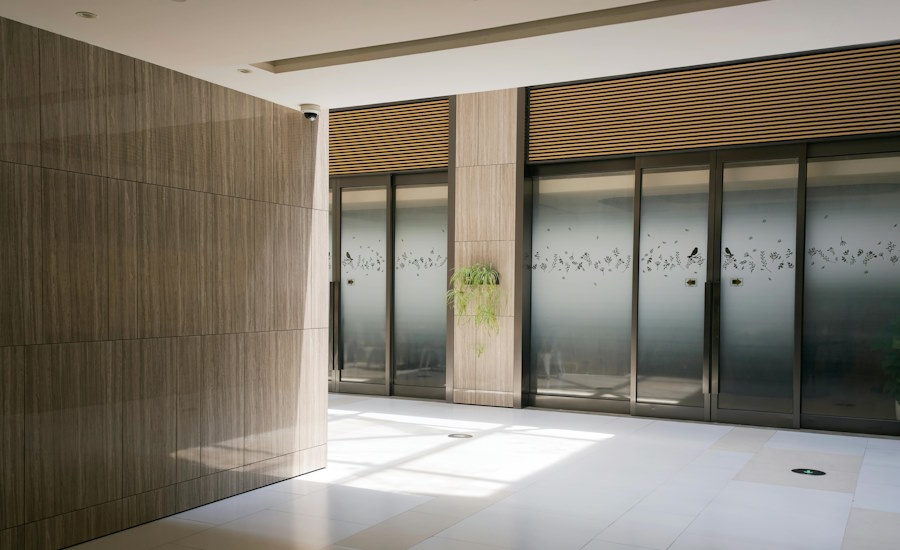
Privacy Film Applications for Storefronts and Office Glass
For storefronts, offices, and commercial interiors, commercial window tinting in Los Angeles can help improve privacy, glare control, and overall presentation while keeping the space bright, professional, and easier to use every day.
The key is not simply installing any privacy window film. It is choosing the right finish, the right level of coverage, and the right placement for the way the business actually operates.
That is what turns privacy film from a surface treatment into a genuine commercial improvement.
A Better Space Starts with Better Use of Glass
Privacy film works best when it is treated as part of the space itself, not just as something added onto the glass later.
The glazing is already there. The real question is whether it is helping the business as much as it should. When the right office privacy window film, privacy window film, frosted window film, or office window film is used, the room usually feels more controlled, more professional, and easier to use every day.
That is why privacy film can be such a strong upgrade for storefronts and offices. It does not ask the business to lose light, replace the glass, or close the room off completely. It simply helps the glass do a better job.
If the space feels too exposed, too open, or not quite right for the way the business actually works, privacy film is often one of the clearest places to start. Contact Luxury Glass Tinting to find out the perfect privacy film for your property!