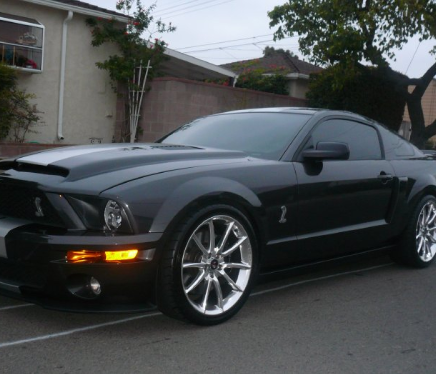
Changing the appearance of your car no longer means committing to a permanent repaint.
Automotive vinyl wraps give drivers a flexible way to transform a vehicle with a new color, finish, accent, graphic, or commercial design while leaving suitable original paint underneath.
Want a satin finish instead of factory gloss?
A contrasting roof?
A complete color transformation?
Custom graphics for a business vehicle?
Vinyl can accomplish all of these without permanently repainting the car.
For Los Angeles drivers, that flexibility is one of the biggest advantages of a professional wrap.
But vinyl is often credited with benefits it was never designed to provide.
Standard styling wrap is not the same as Paint Protection Film (PPF). It can help protect covered paint from light surface wear and environmental exposure, but it should not be marketed as serious rock-chip armor.
Luxury Glass Tinting provides professional automotive vinyl wrap installation in Los Angeles for:
- Full vehicle wraps
- Partial wraps
- Color-change wraps
- Custom accent wraps
- Commercial vehicle wraps
- Fleet graphics
- Vehicle branding
This guide explains what automotive vinyl wraps actually do, how long they can last, which finishes to consider, how installation works, how to maintain them, and when PPF or paint may be a better choice.
What Are Automotive Vinyl Wraps?
Automotive vinyl wrap is a flexible adhesive-backed film designed to conform over compatible vehicle surfaces.
Instead of changing the original paint, the installer applies vinyl over selected painted panels.
The film becomes the visible exterior finish.
Depending on the project, vinyl can change:
- Vehicle color
- Gloss level
- Texture
- Design
- Graphics
- Branding
- Accent details
The transformation can range from subtle to dramatic.
A partial roof wrap may create a small styling change.
A full color-change wrap can make the vehicle look completely different.
Why Drivers Choose Vinyl Instead of Repainting
The strongest reason to choose vinyl is flexibility.
A quality repaint permanently changes the vehicle’s finish.
A vinyl wrap is intended to be removable from appropriate paint when correctly installed and removed.
That allows owners to:
- Experiment with colors
- Follow changing design preferences
- Return to the original color later
- Update company branding
- Change promotional graphics
- Refresh individual styling elements
Vinyl is particularly attractive when the factory paint is healthy and you do not want to permanently replace it.
Quick Guide: What Is Vinyl Wrap Best For?
| Goal | Is Vinyl Wrap a Good Choice? |
| Full color change | Yes |
| Matte or satin styling | Yes |
| Custom graphics | Yes |
| Business branding | Yes |
| Roof or mirror accents | Yes |
| Reversible customization | Yes |
| Light surface protection | Yes |
| Rock-chip protection | Limited |
| Deep scratch protection | Limited |
| Repairing bad paint | No |
| Fixing rust | No |
| Repairing failing clear coat | No |
| Maximum road-debris protection | Choose PPF |
Understanding that last distinction is essential.
Vinyl Wrap Is Primarily a Styling Product
Automotive vinyl is engineered first and foremost to change how a vehicle looks.
It can certainly provide a physical layer over the paint.
That layer may reduce direct exposure to:
- UV radiation
- Dirt
- Light scuffs
- Minor surface scratches
- Bird droppings
- Tree sap
- Road grime
But standard styling vinyl is relatively thin.
A hard stone impact can potentially cut through the film and damage the paint underneath.
That is why drivers whose top concern is freeway rock chips should consider Paint Protection Film instead.
Vinyl Wrap vs. Paint Protection Film
The two products are installed on vehicle exteriors, so they are frequently confused.
Their primary purposes are different.
| Feature | Vinyl Wrap | Paint Protection Film |
| Main purpose | Styling and color change | Physical paint protection |
| Color selection | Extensive | Product-dependent |
| Matte/satin options | Excellent | Available with some products |
| Custom graphics | Excellent | Not primary purpose |
| Rock-chip protection | Limited | Major benefit |
| Road-debris protection | Limited | Major benefit |
| Light scratch protection | Some | Stronger |
| Self-healing technology | Product-specific, not a universal wrap feature | Common on premium PPF |
| Commercial branding | Excellent | Not primary purpose |
| Transparent paint protection | Not typical goal | Major use |
A useful way to remember it is:
Vinyl changes how the car looks.
PPF primarily protects how the paint already looks.
Can You Combine Vinyl Wrap and PPF?
Potentially.
Some vehicle owners want both:
- A custom vinyl appearance
- Additional protection in high-impact areas
A professional installer can evaluate whether the intended film combination is appropriate.
Compatibility matters because layering products can affect:
- Adhesion
- Optical appearance
- Edge finishing
- Removal
- Warranty
- Overall thickness
Do not assume every PPF can simply be placed over every vinyl film.
The exact products and installation plan should be confirmed first.
The Creative Possibilities of Automotive Vinyl Wraps
One of vinyl’s biggest advantages is design freedom.
You are not limited to choosing another version of a conventional factory paint color.
Depending on the film manufacturer and current catalog, wrap finishes can include:
- Gloss
- Matte
- Satin
- Metallic
- Color-shifting effects
- Textured finishes
- Carbon-fiber-style patterns
- Specialty finishes
Availability changes over time, so an installer should confirm the exact product before the project begins.
Gloss Vinyl Wrap
Gloss vinyl is designed to create a polished appearance.
It can be useful when you want:
- A traditional automotive look
- A completely different color
- A high-shine finish
- A clean full-body transformation
Gloss film can resemble painted automotive surfaces, although vinyl and paint still have different visual characteristics when examined closely.
Matte Vinyl Wrap
Matte film creates a low-reflective appearance.
It is often selected for:
- Performance vehicles
- Luxury cars
- Dark monochromatic builds
- More dramatic styling
Matte finishes also require different maintenance from gloss film.
Products designed to increase shine can create uneven glossy areas on a matte wrap.
Use maintenance products appropriate for the exact finish.
Satin Vinyl Wrap
Satin sits visually between gloss and matte.
It provides a soft sheen without the high reflectivity of traditional gloss.
Satin can work well for drivers who want:
- A premium appearance
- A noticeable change
- Less reflection than gloss
- More dimension than full matte
It has become a popular choice for understated color transformations.
Metallic Wraps
Metallic vinyl incorporates visual effects that can create additional depth in changing light.
The appearance may vary depending on:
- Sunlight
- Viewing angle
- Body shape
Directional metallic films also require careful panel alignment so adjacent sections look consistent.
This makes installation planning especially important.
Color-Shift Wraps
Some specialty vinyl changes its visual color depending on lighting and viewing angle.
These films can create dramatic transformations without custom automotive paint.
Because directional orientation is important, installation must be carefully planned across adjacent panels.
Poor panel orientation can cause inconsistent color effects.
Textured Vinyl
Specialty vinyl can also imitate materials or textures.
Examples may include:
- Carbon-fiber-inspired finishes
- Brushed-metal effects
- Other textured designs
These products are often better suited to accents than complete vehicles, depending on the design.
Full Vehicle Wraps
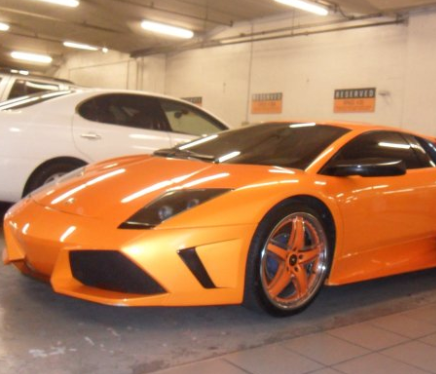
A full vehicle wrap covers most visible painted exterior panels.
It offers the most dramatic transformation.
Luxury Glass Tinting currently recommends full wraps for drivers seeking:
- Complete color changes
- Unified exterior styling
- Major visual transformations
- A removable alternative to permanent repainting
A full wrap also places vinyl between much of the covered factory paint and ordinary environmental exposure.
What Does “Full Wrap” Actually Include?
Coverage can vary by installer.
Before approving a project, ask whether the quote includes areas such as:
- Door jambs
- Inner door edges
- Roof
- Spoiler
- Mirrors
- Rocker panels
- Trim pieces
A standard exterior color-change wrap does not automatically mean every visible painted surface becomes covered when every door and hatch is opened.
Clarify the scope before installation.
Partial Vehicle Wraps
You do not need to cover the whole car.
Partial wraps are an excellent way to create contrast.
Common projects include:
- Roof wraps
- Hood wraps
- Trunk wraps
- Mirror caps
- Pillars
- Spoilers
- Accent panels
For example, a white vehicle with a gloss-black roof and mirrors can create a noticeably different appearance without a full-body wrap.
Custom Detail Wraps
Even smaller areas can be personalized.
Luxury Glass Tinting currently offers detail wraps for components such as:
- Mirrors
- Spoilers
- Trim
- Roof accents
- Selected interior panels
These projects can stand alone or complement a larger wrap.
Commercial Vehicle Wraps
Vinyl is particularly valuable for businesses.
A company vehicle can become branded advertising space while continuing to perform its normal job.
Commercial wraps may include:
- Business name
- Logo
- Phone number
- Website
- Services
- Brand colors
- Promotional graphics
Applications include:
- Company cars
- Delivery vans
- Service vehicles
- Fleet vehicles
When branding changes, vinyl graphics can be redesigned or replaced without repainting the entire fleet.
Commercial Wraps vs. Permanent Painted Branding
Vinyl offers important flexibility for business vehicles.
Imagine changing:
- A company logo
- Phone number
- Website
- Promotional offer
- Service list
With painted graphics, updating the design could require extensive refinishing.
Vinyl makes temporary and evolving branding considerably more practical.
Can Vinyl Wrap Protect Factory Paint?
Yes, within reasonable limits.
The film covers the paint, so ordinary environmental exposure reaches the vinyl surface first.
That can help protect covered paint from:
- Light scuffs
- Minor scratches
- Direct sunlight
- Bird contamination
- Tree sap
- Dirt
- Everyday washing contact
But this benefit should not be exaggerated.
Vinyl does not guarantee that the paint underneath will remain perfect.
Vinyl Wrap Does Not Make Paint Damage-Proof
A hard object can cut through vinyl.
Examples include:
- Large rocks
- Sharp branches
- Keys
- Parking impacts
- Severe scrapes
If the impact is strong enough, both the wrap and paint can be damaged.
For substantial impact protection, dedicated PPF provides the stronger solution.
Can Vinyl Help Reduce Sun Exposure to Paint?
Covered paint receives less direct environmental exposure than uncovered paint.
This can help preserve covered surfaces.
However, automotive vinyl itself is exposed to:
- UV radiation
- Heat
- Pollution
- Washing
- Weathering
The wrap therefore ages too.
No exterior vinyl should be marketed as permanently fade-proof.
Does Wrap Preserve Resale Value?
Potentially, but no financial result can be guaranteed.
Keeping original paint covered from some forms of exposure can support the vehicle’s cosmetic condition.
That may appeal to a future buyer.
However, resale value also depends on:
- Mileage
- Mechanical condition
- Accident history
- Interior condition
- Service records
- Model
- Market demand
A vinyl wrap should be sold as a styling product that can help preserve aspects of the underlying finish, not as a guaranteed resale-value investment.
Will Paint Look Brand-New When the Wrap Is Removed?
Do not assume so.
Results depend on:
- Original paint condition
- Whether panels were previously repainted
- Quality of the wrap
- Installation
- Exposure
- Length of time installed
- Removal technique
Covered and uncovered sections of a vehicle can also age differently.
The safest claim is that wrap can reduce direct environmental exposure to the covered finish.
Can Vinyl Wrap Damage Factory Paint?
Quality automotive wrap is designed for appropriate painted vehicle surfaces and professional removal.
Healthy original factory paint generally provides the best substrate.
However, problems can occur when the underlying surface already has:
- Failing clear coat
- Poor aftermarket paint
- Peeling paint
- Rust
- Weak body repairs
- Previous refinishing problems
3M’s current wrap-film warranty specifically excludes paint pull during removal, illustrating why no installer should promise zero removal risk on every vehicle.
What About Repainted Panels?
Repainted panels require additional caution.
Aftermarket paint systems vary significantly in:
- Preparation
- Adhesion
- Curing
- Quality
A panel that looks fine may still have weaker adhesion than healthy factory paint.
Tell the installer about any known:
- Collision repair
- Repainting
- Panel replacement
- Spot repairs
before vinyl is installed.
Can Vinyl Be Installed Over Damaged Paint?
That depends on the damage.
Small imperfections may remain visible but may not prevent installation.
More serious problems such as:
- Peeling clear coat
- Rust
- Unstable paint
- Severe chips
- Flaking surfaces
should be repaired first.
Vinyl is not a substitute for bodywork.
Wrap Conforms to the Surface Underneath
This is an important expectation for anyone considering a wrap.
Vinyl is thin and flexible.
It follows the contours of the panel.
If the vehicle has:
- Deep scratches
- Dents
- Uneven body filler
- Large paint chips
the wrap may not hide them.
A beautiful wrap begins with an appropriate underlying surface.
How Long Do Automotive Vinyl Wraps Last?
There is no universal number that applies to every vehicle.
Luxury Glass Tinting currently estimates that a professionally installed wrap typically lasts approximately three to seven years, depending on:
- Sun exposure
- Driving conditions
- Maintenance
- Storage
Manufacturer warranty terms may differ according to the exact film, location, climate, and orientation of the panel.
Why Hood and Roof Film May Age Faster
A roof does not experience the same exposure as a door.
Horizontal and near-horizontal surfaces such as:
- Roof
- Hood
- Trunk
receive more direct sunlight and environmental exposure.
3M’s current Series 2080 warranty distinguishes between vertical and non-vertical installation angles because exposure affects durability and warranty duration.
This is particularly relevant in Southern California.
A universal “five-to-seven-year” promise does not account for this difference.
Los Angeles Sun Can Affect Vinyl Longevity
A wrapped vehicle parked outside every day may age differently from one stored in a garage.
Important factors include:
- UV exposure
- Surface temperature
- Outdoor parking
- Pollution
- Dirt
- Washing habits
- Panel orientation
3M recommends indoor or shaded storage where practical because reducing prolonged heat and UV exposure can help preserve wrap appearance.
Does Vinyl Wrap Fade?
All exterior materials age.
High-quality automotive films are engineered to withstand outdoor exposure, but that does not mean they look identical forever.
Over time, a wrap may experience:
- Color change
- Loss of gloss
- Surface wear
- Weathering
The rate depends heavily on film and exposure.
Some Colors and Finishes May Require Different Care
Do not assume every vinyl behaves identically.
Maintenance recommendations can differ for:
- Gloss
- Matte
- Satin
- Metallic
- Specialty films
For example, a product designed to enhance gloss may be inappropriate for matte vinyl because it can leave shiny spots.
The exact film manufacturer’s instructions should control aftercare.
Can Vinyl Wrap Self-Heal Scratches?
Some specific vinyl products can reduce the appearance of minor surface scratches when warmed.
For example, 3M’s Series 2080 maintenance guidance says many mild surface scratches in that particular film may diminish with warmth.
But this is product-specific.
Do not advertise all automotive wraps as self-healing.
And even on a compatible film:
- Deep scratches do not heal
- Cuts do not repair themselves
- Paint damage underneath does not disappear
True impact-focused self-healing is more commonly associated with premium PPF.
Vinyl Wrap vs. Automotive Paint
Wrap and paint solve different problems.
Choose Vinyl Wrap When You Want:
- Reversible color change
- Matte or satin appearance
- Specialty visual effects
- Custom graphics
- Commercial branding
- Partial exterior customization
- Future styling flexibility
Consider Paint When You Need:
- Permanent refinishing
- Major body repair
- Rust correction
- Repair of failing paint
- Restoration
- Structural panel work
Vinyl is not inherently “better” than paint.
It is often better for reversible customization.
Is Vinyl Cheaper Than Repainting?
Sometimes—but not always.
Generic internet price ranges are not very useful because both services vary dramatically.
Wrap pricing depends on:
- Vehicle size
- Film selected
- Finish
- Full or partial coverage
- Panel complexity
- Surface preparation
- Existing wrap removal
Paint pricing depends on:
- Existing paint condition
- Body repairs
- Preparation
- Color
- Paint system
- Disassembly
- Quality level
A basic paint job, premium restoration, partial vinyl wrap, and specialty full wrap are four completely different projects.
Compare actual quotes for the work you want.
How Much Does a Car Wrap Cost in Los Angeles?
Luxury Glass Tinting currently uses customized estimates rather than one universal wrap price.
Its pricing considers factors such as:
- Vehicle size
- Panel complexity
- Coverage
- Vinyl color and finish
- Paint condition
- Surface preparation
- Existing wrap removal
For an accurate estimate, provide:
- Year
- Make
- Model
- Current vehicle photos
- Desired coverage
- Preferred finish
This also allows the installer to evaluate whether the existing paint is suitable.
How Long Does Car Wrap Installation Take?
Luxury Glass Tinting currently estimates approximately one to three days for many vehicle-wrap projects.
Actual timing depends on:
- Vehicle size
- Coverage
- Surface condition
- Preparation
- Design complexity
- Existing wrap removal
A simple roof wrap and complete commercial fleet design should not be expected to take the same amount of time.
How Professional Vinyl Wrap Installation Works
The quality of a wrap depends heavily on what happens before and during installation.
Luxury Glass Tinting’s current process includes several important stages.
Step 1: Paint and Surface Inspection
Before installation, the vehicle is inspected for:
- Paint condition
- Chips
- Peeling clear coat
- Repaired panels
- Surface defects
- Existing film
Potential problems should be discussed before vinyl is applied.
Step 2: Washing and Decontamination
Vinyl needs a clean surface for consistent adhesion.
The vehicle is prepared to remove:
- Dirt
- Grease
- Road grime
- Wax
- Surface contamination
Skipping proper preparation can contribute to poor adhesion and trapped contamination.
Step 3: Panel Planning
Professional wrapping is not simply cutting large pieces of vinyl and placing them on the car.
The installer plans:
- Film orientation
- Panel transitions
- Seam positions
- Factory body lines
- Edge finishing
- Trim removal where appropriate
This is particularly important for directional or specialty films.
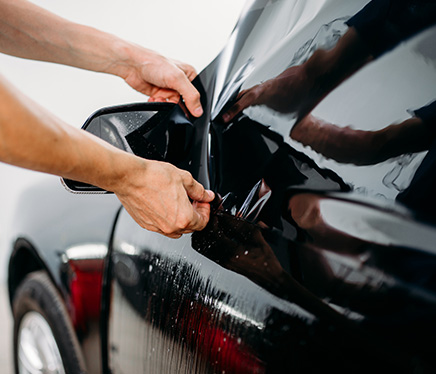
Step 4: Precision Vinyl Application
The material is positioned and shaped across the panel.
Controlled heat and tension help conform vinyl around:
- Curves
- Corners
- Recesses
- Body contours
The installer must avoid excessive stretching that could distort:
- Color
- Texture
- Adhesive behavior
- Film durability
Step 5: Edge and Corner Finishing
Edges affect both appearance and long-term performance.
Where appropriate, film is carefully finished around:
- Panel edges
- Corners
- Recessed areas
Poor edge work can contribute to lifting later.
Step 6: Controlled Post-Heating
Luxury Glass Tinting’s current process includes post-heating critical areas after installation.
Proper post-heating helps stabilize material in higher-stress sections and supports adhesion.
Step 7: Final Quality Inspection
Before the vehicle is returned, a professional installation should be checked for:
- Panel alignment
- Surface consistency
- Edge finish
- Seams
- Overall appearance
Luxury Glass Tinting currently includes a final walkthrough as part of the delivery process.
Professional Installation vs. DIY Wrap
DIY automotive wrapping is possible.
It does not automatically fail.
Small projects such as:
- Interior trim
- Simple flat pieces
- Small exterior accents
may be manageable for experienced hobbyists.
A complete vehicle is much more difficult.
Modern cars include:
- Compound curves
- Complex bumpers
- Mirrors
- Spoilers
- Deep recesses
- Tight corners
- Sensors
- Trim
Common installation mistakes can include:
- Wrinkles
- Excessive stretch
- Contamination
- Misaligned panels
- Poor seams
- Lifting edges
- Cuts into paint
Professional installation becomes especially valuable when the goal is a full color change.
Should Trim Be Removed During Wrapping?
Sometimes.
Selective trim removal can make it easier to create cleaner edges and panel transitions.
But unnecessary disassembly can also introduce risk.
A skilled installer decides which components should be removed based on:
- Vehicle design
- Coverage
- Film
- Finish requirements
More disassembly does not automatically mean a better wrap.
Wrap Installation Should Not Require Cutting Into Paint
Professional installers use techniques designed to minimize the risk of blade contact with vehicle paint.
Vehicle panels require careful trimming and finishing.
This is one reason training and installation experience matter.
How to Maintain a Vinyl-Wrapped Vehicle
Proper maintenance affects both appearance and service life.
The basic rule is simple:
Keep the wrap clean and avoid unnecessary abrasion.
Hand Washing Is Usually the Safest Option
Avery Dennison recommends gentle hand washing using:
- Clean water
- Mild automotive detergent
- Soft cloths or sponges
- Microfiber drying materials
Pre-rinsing first helps remove loose grit that could otherwise scratch the vinyl during washing.
Be Careful With Automatic Car Washes
Brush-style automatic washes can:
- Scratch vinyl
- Dull certain finishes
- Catch exposed edges
Avery Dennison advises against brush-style automatic washes.
If an automatic wash must be used, follow the guidance for the specific film and consider an appropriate touchless option.
Pressure Washing Requires Proper Technique
High-pressure water can potentially catch film edges.
If using a pressure washer, follow manufacturer guidance for:
- Pressure
- Spray angle
- Distance
- Water temperature
Avoid concentrating high pressure directly on:
- Seams
- Corners
- Film edges
Remove Bird Droppings and Tree Sap Promptly
Do not let aggressive contaminants sit on a wrap indefinitely.
Clean substances such as:
- Bird droppings
- Tree sap
- Insects
- Road tar
- Fuel spills
according to manufacturer instructions.
Aggressive scraping can damage the surface.
Can You Wax a Wrapped Car?
It depends on the wrap.
Some gloss films may be compatible with selected wax or wrap-care products.
Matte or textured films require greater caution.
A product designed to create shine can permanently change the appearance of a matte surface.
Use products approved for the exact film and finish.
Can You Ceramic Coat a Vinyl Wrap?
Potentially.
There are coatings formulated for vinyl and other automotive films.
A compatible coating may provide:
- More hydrophobic behavior
- Easier cleaning
- Added surface slickness
But do not apply an arbitrary ceramic coating without checking compatibility.
The wrong product could affect:
- Appearance
- Texture
- Gloss
- Adhesive warranty
Garage Parking Can Help
Reducing continuous environmental exposure can help preserve wrap appearance.
When practical, store the vehicle:
- In a garage
- Under appropriate cover
- In shaded parking
You do not need to avoid driving in sunlight.
The point is simply that less constant heat and UV exposure generally helps exterior films age more slowly.
When Should a Vinyl Wrap Be Removed?
Consider professional assessment when a wrap develops:
- Significant cracking
- Severe fading
- Edge lifting
- Adhesive failure
- Major discoloration
- Surface deterioration
Do not leave severely degraded vinyl on a vehicle indefinitely.
Film can become more difficult to remove as it ages beyond its intended service period.
How Is Vinyl Wrap Removed?
Professional removal generally uses controlled heat and careful pulling techniques to release the adhesive.
Quality film is designed for removability under appropriate conditions.
However, removal results depend on the substrate.
Repainted or failing surfaces deserve additional caution.
Can a Damaged Wrap Panel Be Replaced?
Often.
If one section is damaged, the installer may be able to replace the affected panel rather than rewrap the whole vehicle.
However, a new piece of film may not perfectly match an older installation.
Existing vinyl may have experienced:
- UV exposure
- Fading
- Surface wear
Film colors can also be discontinued.
Panel replacement is possible, but an exact aged-film match should not be guaranteed.
Vinyl Wrap and Leased Vehicles
A removable wrap can appear ideal for a leased vehicle.
But always review the lease agreement first.
Some lease contracts may restrict:
- Exterior modifications
- Adhesive products
- Graphics
- Color changes
If wraps are permitted, understand the removal requirements before returning the vehicle.
Pairing Vinyl Wrap With Automotive Window Tint
Vinyl and automotive window tinting can work well together because they modify different parts of the vehicle.
Vinyl changes the exterior body appearance.
Window tint can address:
- Solar heat
- UV exposure
- Glare
- Privacy
- Glass appearance
For example, a satin exterior wrap combined with appropriately selected ceramic tint can create a cohesive styling package while giving each product a clear functional role.
Ceramic Window Tint Is Not a Protective Coating for Vinyl
The use of the word ceramic can create confusion.
Ceramic automotive window tint is installed on vehicle glass.
A ceramic coating is a liquid surface treatment that may be used on automotive exterior materials when compatible.
They are completely different products.
Do not treat “ceramic window tint” as an exterior wrap-protection coating.
Pairing Vinyl Wrap With PPF
When physical paint or vinyl protection matters, PPF is the more relevant companion service.
Examples of high-impact areas can include:
- Front bumper
- Hood
- Mirrors
- Rocker panels
The exact installation sequence and product compatibility should be confirmed professionally.
Choosing the Right Wrap Finish
Before selecting a color, think about how the vehicle will actually be used.
Ask yourself:
How Much Maintenance Do I Want?
Dark gloss films may reveal dust or swirl marks differently from satin or textured materials.
Matte finishes require appropriate cleaning products.
Where Is the Vehicle Parked?
Heavy outdoor exposure can influence durability.
Do I Want a Subtle or Dramatic Change?
A neutral satin finish creates a completely different impression from a bold color-shifting specialty film.
Will I Keep the Vehicle Long Term?
Your expected ownership period may influence material and coverage choices.
Is the Paint Suitable?
Inspect the existing finish before choosing anything.
What to Ask Your Vinyl Wrap Installer
Before booking, ask:
- What vinyl brand and series will be installed?
- Is the product intended for automotive exterior use?
- Is my existing paint suitable for wrapping?
- Do any panels appear repainted?
- What exactly does “full wrap” include?
- Where will seams be placed?
- How will edges be finished?
- What warranty applies?
- How does warranty coverage change with panel orientation or exposure?
- How should the wrap be washed?
- Which products should I avoid?
- What is the recommended service life for this specific film?
- What happens if one panel is damaged?
- How should the wrap eventually be removed?
A professional should be able to explain the answers clearly.
Common Automotive Vinyl Wrap Myths
Myth: Vinyl Wrap Is the Same as PPF
False.
Vinyl primarily changes appearance. PPF is primarily designed for physical paint protection.
Myth: Vinyl Prevents Rock Chips
Standard styling vinyl provides limited protection compared with dedicated PPF.
Myth: All Wraps Last Seven Years
False.
Film, exposure, panel orientation, maintenance, storage, and climate all matter.
Myth: Vinyl Can Fix Bad Paint
False.
Vinyl follows the surface underneath it and should not be used to conceal failing paint or rust.
Myth: Wrap Removal Is Risk-Free on Every Vehicle
False.
Healthy factory paint is generally the strongest substrate. Repainted or failing surfaces require more caution.
Myth: Removing a Wrap Always Reveals Brand-New Paint
False.
Wrap can reduce direct exposure, but final paint condition depends on many factors.
Myth: Vinyl Wrap Guarantees Higher Resale Value
False.
It may help preserve cosmetic condition, but resale value depends on the overall vehicle and market.
Myth: Every Vinyl Wrap Is Self-Healing
False.
Some specific films may reduce light surface scratches with warmth, but this is not a universal vinyl feature.
Myth: Wrapped Cars Need No Maintenance
False.
Regular, careful cleaning is important.
Myth: Ceramic Window Tint Protects the Exterior Wrap
False.
Ceramic window tint is installed on glass.
Frequently Asked Questions
What is an automotive vinyl wrap?
It is an adhesive-backed film applied over compatible vehicle surfaces to change color, finish, texture, graphics, or branding.
Can you wrap an entire car?
Yes. Full vehicle wraps can transform nearly all visible exterior painted panels.
Can you wrap only part of a car?
Yes. Popular partial wraps include roofs, hoods, trunks, mirrors, spoilers, and accent panels.
How long do automotive vinyl wraps last?
Luxury Glass Tinting currently estimates approximately three to seven years for professionally installed wraps, depending on sun exposure, driving conditions, storage, and maintenance. Product-specific warranties can vary.
Does a vinyl wrap protect paint?
It can help reduce direct exposure to light scratches, scuffs, UV, and environmental contamination. It does not offer the same rock-chip protection as PPF.
Does vinyl wrap stop rock chips?
Not reliably. Dedicated PPF is the stronger choice for high-impact protection.
Is vinyl wrap removable?
Yes. Quality automotive wrap is designed to be removable from suitable surfaces. Professional removal is recommended.
Will removing vinyl damage factory paint?
Quality vinyl is designed for compatible healthy factory paint, but no blanket guarantee should be made for every vehicle. Repainted, peeling, or compromised surfaces can have greater removal risk.
Can you wrap a car with peeling clear coat?
Generally, failing paint or clear coat should be addressed before wrapping.
Can you wrap over scratches?
Minor imperfections may be possible to cover, but they can remain visible through vinyl. Deep damage should be evaluated first.
Can you wrap a leased car?
Potentially, but check the lease terms before modifying the vehicle.
Can a vinyl wrap be washed?
Yes. Gentle hand washing is generally the preferred method.
Can a wrapped car go through an automatic car wash?
Brush-style washes can scratch film or catch edges. Follow the manufacturer’s aftercare guidance and use gentler alternatives when appropriate.
Can you pressure wash vinyl?
Potentially, when the film manufacturer’s pressure, distance, temperature, and spray-angle recommendations are followed.
Can you wax vinyl wrap?
It depends on the specific film. Products suitable for gloss film may be inappropriate for matte or specialty finishes.
Can you ceramic coat vinyl?
Potentially, if the coating is specifically compatible with the wrap.
Do vinyl wraps fade?
Exterior vinyl can weather and fade over time. Exposure, film, color, panel orientation, and maintenance affect the rate.
Can one damaged wrap panel be replaced?
Often, yes. However, newly installed film may look slightly different from older weathered material.
Is vinyl wrap cheaper than paint?
Sometimes, but not universally. Compare customized quotes based on the actual vehicle and desired finish.
How long does vehicle wrap installation take?
Luxury Glass Tinting currently estimates approximately one to three days for many projects, depending on vehicle size, coverage, preparation, and complexity.
Is vinyl better than paint?
Vinyl is particularly useful for reversible styling. Paint is better when permanent refinishing or body repair is required.
Is vinyl better than PPF?
They solve different problems. Vinyl is primarily for styling; PPF is primarily for impact protection.
Can business vehicles be wrapped?
Yes. Commercial vinyl can include logos, company information, graphics, and complete fleet branding.
Can I return the car to its original color later?
Usually, yes, assuming the wrap is professionally removed and the underlying paint remains suitable.
Transform Your Vehicle Without Permanently Changing the Paint
The biggest advantage of automotive vinyl is not that it replaces paint or PPF.
It is that it gives drivers choice.
You can create:
- A complete color transformation
- A matte or satin finish
- Metallic styling
- Custom graphics
- Roof or mirror accents
- Commercial branding
while keeping suitable original paint underneath.
Luxury Glass Tinting provides professional automotive vinyl wrap installation in Los Angeles for personal vehicles, performance cars, luxury vehicles, commercial vans, and business fleets.
Its current process includes:
- Paint-condition inspection
- Surface washing and decontamination
- Panel and seam planning
- Precision vinyl installation
- Controlled post-heating
- Clean edge finishing
- Final quality inspection
- Wrap aftercare guidance
For drivers seeking additional physical protection against freeway debris and stone chips, Paint Protection Film should be considered separately.
For drivers seeking improved cabin comfort, UV protection, glare reduction, and privacy, professional automotive window tinting addresses the glass rather than the body panels.
The best vehicle transformation does not come from piling every product onto the car.
It comes from giving each product the right job.
Vinyl for style.
PPF for high-impact paint protection.
Window tint for solar comfort, UV control, glare, and privacy.
Choose the right combination and you can create a vehicle that looks dramatically different while still making practical decisions about the surfaces underneath.