
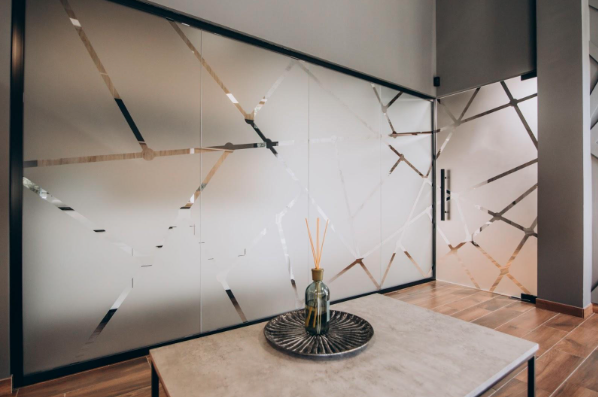
Privacy has become an important consideration for many homeowners, especially in areas with close neighboring properties, street-facing windows, or large glass panels. Privacy window film offers a practical solution that helps reduce visibility from outside while still allowing natural light into the home. Depending on the type of film selected, it can also reduce glare, improve indoor comfort, block UV rays, and enhance the overall appearance of your windows.
In this guide, we explore the best privacy window film options for different spaces, explain how they work, and help you choose the right solution based on your privacy and performance needs.
First of All, What is Privacy Window Film?
Privacy window film is a thin layer applied directly onto glass surfaces to reduce visibility from outside while maintaining varying levels of natural light indoors. Different films provide different levels of privacy, depending on their finish, reflectivity, and opacity.
Many homeowners in Los Angeles install privacy film in living rooms, bathrooms, bedrooms, offices, and street-facing windows where additional privacy is needed without completely blocking daylight.
How Does Privacy Window Film Works
Privacy window film changes how light passes through glass. Some films reflect light away from the exterior, while others diffuse visibility through frosted or decorative finishes.
The most common privacy film types include:
- Reflective window film
- Frosted window film
- Blackout film
- Decorative privacy film
- One-way mirror window film
Each type serves a different purpose depending on the room, lighting conditions, and desired appearance.
Can You See Through Privacy Window Film?
This depends on the type of privacy film used and the lighting conditions in your home or building, especially in sunny areas like Los Angeles or nearby neighborhoods such as Culver City, where strong daylight can affect how film performs.
Reflective and one-way mirror films usually provide strong daytime privacy because the brighter outdoor light reflects off the glass surface, making it difficult for people outside to see in. However, at night, when interior lights are brighter than outdoor lighting, visibility may reverse unless curtains or blinds are used.
Frosted window film works differently. Instead of reflecting light, it obscures visibility entirely while still allowing light to pass through. This makes it a popular choice for bathrooms and office partitions.
Some decorative privacy films partially obscure visibility while adding aesthetic patterns or textures to the glass.
Types of Window Film You Can Choose From
Window privacy film usually falls into three main groups. Each one solves a different type of privacy problem.
1. Frosted Privacy Window Film
Frosted film is one of the most useful privacy options because it keeps the room bright while obscuring the view through the glass. LLumar positions frosted film around matte and textured finishes that give privacy across different light levels, while Gila frames its frosted privacy film around bedrooms, bathrooms, kitchens, and other spaces that need privacy without blocking light.
A frosted privacy window film usually suits bathrooms, front door glass, sidelights, shower screens, and internal glass where the priority is visual privacy throughout the day. It tends to feel calmer and more reliable than reflective film in those spaces because the privacy effect does not depend on the brightness outside the window.
2. Stained Glass and Decorative Window Film
Decorative privacy film suits rooms where privacy and appearance need to work together. Gila’s decorative window film range is built around privacy with sunlight still coming through, and several of its patterns are made to simulate specialty glass. That makes decorative film useful for stair windows, front door panels, sidelights, and accent glass where plain frosting may feel too basic.
A stained glass window film is a strong example of this style. Gila’s stained-glass decorative films are designed to increase privacy, filter light, and give the glass a more colorful or textured finish. In homes that want the privacy effect to feel more decorative and less plain, this type of film often gives the room much more character than a standard frosted look.
3. Reflective Window Film
Reflective privacy film is usually chosen for stronger daytime privacy. It works by using the brighter side of the glass to create a more reflective outer appearance, which can make it harder to see in from outside during the day. That can work very well on front-facing living rooms, larger street-facing windows, and other parts of the home that need more privacy while still keeping the outward view.
The main trade-off comes after sunset. Once the inside becomes brighter than the outside, that privacy effect can weaken. Madico’s mirrored-film guidance explains that one-way mirrored film relies on lighting contrast, and LLumar makes the same point by noting that visibility from outside increases after dark when interior lights are on. This makes reflective film more suitable for daytime privacy than all-day privacy.
4. Textured Window Film
Textured privacy film sits close to frosted film, but it gives the glass more surface character. It can create a brushed, satin, sparkle, or etched-glass effect while still softening the view through the window. This type of film suits bathrooms, shower glass, partitions, and decorative areas where privacy is needed but a plain frosted look feels too flat.
5. Gradient Window Film
Gradient privacy film is useful when the glass needs partial coverage rather than full screening. It usually fades from more opaque to more transparent, which helps keep the room open while still creating privacy across the part of the glass that needs it most. This works well on feature glass, taller panels, and spaces where full frosting would feel too heavy.
6. Sidelight Window Film
Sidelight privacy film is designed for the narrow glass panels often placed next to front doors. These areas usually need privacy without shutting down the natural light near the entry. Patterned and frosted sidelight films are a strong fit here because they add coverage while still keeping the space bright and visually welcoming.
7. Dual-Reflective Window Film
Dual-reflective film is a more balanced version of standard reflective privacy film. It is designed to keep stronger daytime privacy from outside while giving the inside view a less mirrored feel, especially later in the day. This type suits front-facing living rooms, larger street-facing windows, and homes that want privacy with a more comfortable interior view than standard mirrored film usually gives.
8. Decorative Pattern Film
Decorative pattern films are useful for homes that want privacy with more personality in the glass. These films can simulate specialty glass looks, geometric patterns, mosaic effects, or more traditional decorative finishes while still filtering light and reducing visibility. They work especially well on stair windows, feature glass, bathroom panels, and front-door glass where style is part of the outcome.
To help you decide, you can explore the 5 Pros and Cons of Tinted House Windows
The Difference Between Privacy Film and Tinted Glass
Tinted glass is manufactured with color embedded directly into the glass, while privacy window film is installed onto existing glass surfaces. Window film is often more affordable, easier to replace, and available in a wider range of privacy and performance options.
For homeowners looking for flexibility without replacing windows, privacy film is usually the more practical solution.
Best Privacy Window Film for Each Room
The room usually points to the film type much faster than the sample book does. Some spaces need privacy all day. Others need only daytime privacy. Some need a decorative look at the same time. This kind of room-by-room matching keeps the decision clearer and helps avoid putting the wrong privacy film in the wrong space.
| Room / Glass Area | Main Privacy Need | Recommended Film Type | Reason |
| Bathroom window | Full privacy with natural light | Frosted privacy window film | Soft obscured view while keeping the room bright |
| Shower screen or bathroom glass panel | Full coverage with a cleaner look | Textured privacy window film | More privacy with a slightly more styled finish |
| Front door sidelight | Privacy near the entrance without darkening the area | Sidelight privacy film | Better coverage while still letting light into the entry |
| Street-facing living room window | Stronger daytime privacy | Reflective privacy window film | Harder to see in during the day with a more reflective outer look |
| Front-facing bedroom window | Privacy with softer daylight | Frosted or dual-reflective film | More privacy and a calmer light level across the room |
| Stair window | Privacy plus a decorative finish | Stained glass window film | Filtered light with more visual character |
| Glass partition or internal glass | Light screening with a refined look | Gradient or frosted film | Partial privacy without making the glass feel too heavy |
| Home office window | Reduced visibility and lower glare | Dual-reflective or frosted film | More privacy with a more comfortable room feel during the day |
Window Film Installation Cost in Los Angeles
One of the most common questions homeowners ask is: “How much does window film installation cost in Los Angeles?” The answer depends on several factors, including the type of film selected, the size of your windows, the total glass area, and the complexity of the installation.
In Los Angeles, professional residential window film installation typically ranges from $7 to $24 per square foot, with premium ceramic and spectrally selective films positioned at the higher end of the range. Most homeowners invest between $1,500 and $5,000 for a complete home window tinting project, depending on the number of windows and the film performance level selected.
What Affects Window Film Installation Cost?
Several factors influence the final price of residential window tinting:
Film Type
The type of window film selected is often the biggest pricing factor.
- Solar control film generally offers the most economical solution.
- Ceramic window film provides superior heat rejection and clarity but comes at a higher cost.
- Privacy film and decorative films vary depending on design and opacity.
- Security and safety films typically cost more due to thicker construction and specialized installation requirements.
Window Size and Glass Area
Larger windows require more film material and installation time. Homes with expansive glass walls, floor-to-ceiling windows, or sliding glass doors generally have higher project costs than homes with standard-sized windows.
Accessibility
Second-story windows, skylights, stairwell windows, and difficult-to-reach glass surfaces often require additional equipment and labor, which can increase installation costs.
Existing Film Removal
If old or damaged window film needs to be removed before installing new film, additional preparation and labor charges may apply.
Window Film Installation Costs by Film Type
Solar Control Window Film
Solar films are designed to reduce heat, glare, and UV exposure while maintaining natural daylight.
Typical cost: $7 – $14 per square foot installed.
Ceramic Window Film
Ceramic films offer premium performance with excellent heat rejection, UV protection, and optical clarity without creating a highly reflective appearance.
Typical cost: $10 – $20+ per square foot installed.
Privacy Window Film
Privacy films provide daytime privacy while still allowing natural light into the home.
Typical cost: $10 – $18 per square foot installed.
Security Window Film
Security films help strengthen glass against breakage, forced entry attempts, and impact.
Typical cost: $12 – $25 per square foot installed.
Window Film Installation Cost in Culver City
Homes in Culver City often feature large windows designed to maximize natural light. While this creates bright and inviting living spaces, it can also increase indoor heat, glare, and UV exposure.
Most Culver City homeowners can expect window film installation costs similar to the broader Los Angeles market, generally ranging between $1,500 and $5,000 for a complete residential project, depending on film selection and glass coverage. Premium ceramic films are particularly popular in Culver City due to their ability to reduce solar heat gain while preserving clear views.
If you’re considering window film installation for your Culver City home, speak with our professional window film specialists for a personalized assessment and quotation. We can recommend the most suitable film based on your home’s sun exposure, privacy requirements, energy-efficiency goals, and budget, helping you achieve long-term comfort and performance without replacing your existing windows.
Window Film Installation Cost Across Los Angeles neighborhoods
Pricing remains relatively consistent throughout Los Angeles, although project size and home design can influence overall investment.
Beverly Hills
Luxury homes often feature expansive glass walls and custom glazing systems, which can increase project costs due to larger glass surfaces and specialized installation requirements.
Santa Monica
Many homeowners choose solar control or ceramic films to reduce glare and improve comfort while maintaining ocean views.
Culver City
A popular choice for homeowners seeking energy efficiency, UV protection, and improved indoor comfort.
Pasadena
Residential projects frequently focus on reducing heat gain while protecting interior furnishings from UV-related fading.
Manhattan Beach
Homeowners often select high-performance films to manage sunlight exposure while preserving natural light and coastal views.
Is Professional Window Film Installation Worth the Cost?
For many Los Angeles homeowners, professional window film installation offers long-term value through:
- Reduced solar heat gain
- Improved indoor comfort
- Lower cooling demands
- UV protection for flooring and furnishings
- Reduced glare on televisions and computer screens
- Enhanced privacy and security
Compared to replacing existing windows, window film provides a significantly more cost-effective way to improve comfort and energy performance. Professional installation also helps ensure optimal film performance, manufacturer warranty coverage, and long-term durability.
How to Choose the Right Privacy Film for Your Home
Choosing the right privacy window film depends on more than just appearance. Different films offer different levels of privacy, heat rejection, glare reduction, and natural light transmission. Understanding your home’s layout, sunlight exposure, and privacy needs can help you select a film that delivers the right balance of comfort and performance.
Understand Your Privacy Needs
Some homeowners only need daytime privacy, while others require privacy throughout both day and night. Reflective and one-way mirror films are popular for daytime privacy because they reduce visibility from outside during brighter outdoor conditions.
However, for areas requiring consistent privacy at all hours, frosted or more opaque privacy films may be a better option.
Choosing the right privacy level early helps narrow down the most suitable window film for each room.
Consider Window Location and Sunlight
The location of your windows plays a major role in determining which privacy film works best. Glass facing busy streets, neighboring homes, or direct afternoon sunlight may benefit from reflective or solar control window films.
Rooms with strong sun exposure may also require films that help reduce heat and glare while maintaining indoor comfort.
Understanding how much sunlight each area receives helps ensure the selected film performs effectively throughout the day.
Choose the Right Darkness and Reflectivity
Darker films are not always the best choice. While darker tint may improve privacy, it can also reduce natural light and make interior spaces feel dimmer.
The ideal privacy window film should balance:
- Privacy
- Visibility
- Natural light
- Heat reduction
- Overall appearance
Reflective films may provide stronger daytime privacy without needing extremely dark tint levels.
Decide Between Decorative and Functional Film
Some privacy films are designed mainly for aesthetics, while others focus more on performance benefits such as UV protection, glare reduction, and solar heat rejection.
Decorative privacy films are often used in bathrooms, entryways, and office spaces where appearance is equally important. Functional films are usually preferred for living areas, bedrooms, and sun-exposed windows where comfort and energy performance matter more.
Choosing between decorative and functional film depends on the specific purpose of the space.
Professional Installation vs DIY Window Film
Professional installation usually provides a cleaner finish, longer durability, and reduced risk of bubbling or peeling. Proper installation also ensures the film is compatible with the glass type and applied evenly without visible imperfections.
While DIY window film kits are available, professionally installed privacy window film generally offers better long-term appearance and performance, especially for larger residential glass panels.
Choosing the Right Film Can Improve Long-Term Comfort
The right privacy window film should complement both your home’s design and daily comfort needs. By considering privacy expectations, sunlight exposure, film performance, and installation quality, homeowners can achieve a more comfortable and visually balanced living environment.
To see which specific options work best for your space, check out our guide on the 7 Best Window Film Types for Hot Rooms (Homes & Offices) to keep your building cool and comfortable.
Common Problems Homeowners Face With Privacy Window Film
Privacy window film can improve comfort, privacy, and appearance when properly selected and installed. However, homeowners may still experience certain issues if the wrong film type is chosen or if installation and maintenance are not handled correctly.
Understanding these common problems can help homeowners make better decisions before installing privacy window film.
Privacy Film May Not Work Well at Night
One of the most common misunderstandings involves reflective or one-way mirror window film. These films rely on brighter outdoor lighting conditions to create daytime privacy.
At night, when indoor lights are brighter than outside conditions, visibility may reverse and allow people outside to see into the home more easily. Many homeowners address this by combining privacy film with curtains or blinds for additional night-time privacy.
Excessively Dark Interior Spaces
Some homeowners choose darker privacy films expecting stronger privacy performance. However, very dark films may reduce natural light significantly and make interior spaces feel smaller or dimmer during the day.
Selecting the right balance between privacy and visible light transmission helps maintain a brighter and more comfortable indoor environment.
Bubbling, Peeling, or Lifting Edges
Improper installation, low-quality film materials, or ageing adhesives may cause bubbling, peeling, or lifting around the film edges over time. These issues can affect both the appearance and effectiveness of the film.
Professional installation and proper surface preparation usually help reduce the risk of these problems developing prematurely.
Choosing the Wrong Film for Certain Rooms
Different areas of the home often require different types of privacy film. For example:
- Bathrooms usually require frosted or opaque privacy film
- Living rooms may benefit from reflective solar control film
- Bedrooms may require additional night privacy considerations
Using the wrong film type may result in insufficient privacy, excessive darkness, or reduced comfort.
Heat Build-Up on Certain Glass Types
Not all window films are suitable for every type of glass. Some films may increase heat absorption, which could place stress on certain window types if compatibility is not properly assessed.
Professional recommendations help ensure the selected privacy film matches the glass specifications and environmental conditions.
Uneven Appearance or Visible Installation Marks
Poorly installed window film may show dust particles, streaks, trapped air bubbles, or alignment issues. These imperfections can become more noticeable under direct sunlight.
A professionally installed film typically provides a cleaner and more uniform finish across larger glass surfaces.
Understanding Common Issues Helps You Choose Better
Most privacy window film problems can be avoided by selecting the correct film type, understanding lighting conditions, and working with experienced installers. Taking the time to choose the right solution helps improve long-term performance, comfort, and appearance throughout the home.
5 Major Factors That Affect Window Film Lifespan
The lifespan of privacy window film depends on several important factors, including the quality of the film, environmental exposure, and installation standards. While high-quality window film can last for many years, certain conditions may cause premature wear if not properly considered.
Understanding these factors can help homeowners maximize the long-term performance and appearance of their window film.
1. Film Quality
Higher-quality window films are typically manufactured with stronger adhesives, better UV resistance, and more durable protective layers. These films are generally more resistant to peeling, bubbling, and fading over time.
2. Sun Exposure
Windows exposed to constant direct sunlight usually experience greater heat and UV stress. South-facing or west-facing windows may cause certain films to age faster compared to shaded areas.
3. Glass Type Compatibility
Different glass types react differently to heat absorption and expansion. Choosing the correct film for the specific glass type helps improve both performance and longevity.
4. Installation Quality
Professional installation plays a major role in how long privacy window film lasts. Proper surface preparation and application help reduce the risk of air bubbles, lifting edges, and adhesive failure.
5. Environmental Conditions
Environmental factors such as humidity, coastal air, heavy rainfall, and temperature fluctuations can also affect window film durability. Homes located in hot or humid climates may place additional stress on adhesives and film materials over time.
Moisture exposure, especially in bathrooms or kitchens, may also influence how well certain films perform long term.
Understanding These Factors Helps Extend Film Lifespan
Selecting the right film, ensuring proper installation, and maintaining the film correctly can significantly improve how long privacy window film lasts. A well-installed, high-quality film that matches the glass type and environmental conditions will generally provide better comfort, appearance, and long-term performance.
4 Signs Your Window Film Needs Replacement
Over time, older or damaged window film may begin to show visible wear that affects both appearance and performance. Recognising these early signs can help homeowners maintain better privacy, comfort, and heat reduction before the film deteriorates further.
1. Bubbling
Air pockets or bubbles forming beneath the film are often signs of adhesive breakdown or ageing film materials. Besides affecting the appearance of the glass, bubbling can reduce visibility and overall film performance.
2. Peeling Edges
Edges that begin lifting away from the glass may indicate poor adhesion or prolonged exposure to heat and moisture. This issue commonly appears on windows exposed to strong sunlight or humid environments.
3. Fading
Some films may gradually lose their original colour or reflective appearance after years of UV exposure. Faded film often provides reduced heat rejection and may no longer deliver the same level of privacy or glare reduction.
4. Discolouration
Older window films can sometimes develop a purple or uneven tint, especially lower-quality dyed films exposed to prolonged sunlight. Discoloured film can make windows appear aged and reduce the overall appearance of the property.
If your current privacy film is bubbling, peeling, fading, or discoloured, it may be time to explore newer window film options designed for longer-lasting performance and improved comfort. A professional assessment can help determine whether replacement is the best solution for your home.
Contact us today to arrange a professional inspection and get tailored recommendations for the right privacy window film solution for your space.
How to Maintain Privacy Window Film Properly
Proper maintenance helps extend the lifespan, appearance, and performance of privacy window film. With the right cleaning methods and regular care, homeowners can keep their window film looking clear and functioning effectively for years.
1. Use Non-Abrasive Cleaning Materials
Clean the film gently using soft microfibre cloths, soft paper towels, or non-abrasive sponges to avoid scratching the surface. Gentle cleaning helps maintain the film’s finish while preventing damage to the protective coating.
Using the right cleaning materials also helps preserve the clarity and appearance of the glass over time.
2. Avoid Harsh Chemicals
Strong chemical cleaners, ammonia-based products, or abrasive solutions may damage the film coating and reduce its durability. Harsh cleaners can gradually weaken adhesives, affect tint appearance, or leave visible marks on the surface.
For better long-term performance, use mild soap solutions or film-safe glass cleaners recommended for window film maintenance.
3. Follow Manufacturer Cleaning Recommendations
Different privacy window films may have specific maintenance requirements depending on the material and coating type. Following the recommended cleaning methods helps preserve film clarity, adhesion, and overall durability.
Professional installers may also provide aftercare guidelines to help maximise the lifespan of residential privacy window film.
Simple Maintenance Helps Preserve Long-Term Performance
Regular cleaning and proper care can help privacy window film maintain its appearance, heat rejection, and privacy performance for longer. Preventive maintenance also reduces the likelihood of premature peeling, fading, or surface damage.
Final Question: Is Privacy Window Film Worth It?
For many homeowners in Los Angeles, privacy window film offers a practical balance between privacy, comfort, appearance, and energy performance. Compared to replacing windows or permanently blocking light with curtains, window film provides a more modern and flexible solution.
It is especially useful for:
- High-rise apartments
- Corner homes
- Street-facing properties
- Bathrooms with exterior windows
- Home offices with excessive glare
Thinking About Replacing Your Window Film?
Choosing the best privacy window film depends on your home layout, lighting conditions, privacy expectations, and design preferences. Some homeowners prioritize daytime privacy, while others focus on reducing glare, heat, or improving the appearance of their windows.
The right window privacy film should provide a balance between comfort, privacy, and natural light without making the space feel overly dark or enclosed. Contact us for expert advice, product recommendations, and professional residential window film installation tailored to your home’s privacy and comfort needs.
Reach out to Luxury Glass Tinting and we will help you narrow down the privacy film that fits the space properly.