A well-designed vehicle is about more than horsepower, paint, wheels, or interior materials. The glass also has a major influence on how polished and cohesive the car looks.
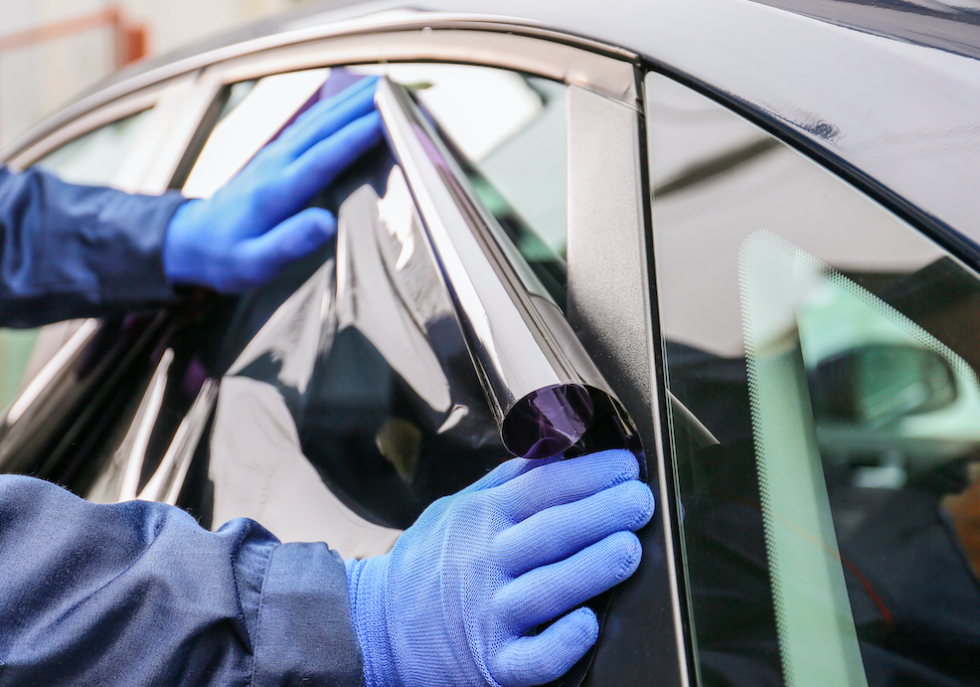
Professional automotive window tint can transform ordinary factory glass into a cleaner, more refined part of the vehicle’s overall design. The right shade can complement the paint, connect the side windows visually with the roofline, reduce the contrast between front and rear glass, and give the car a more premium appearance.
For Los Angeles drivers, premium window tint can also provide practical benefits such as solar heat rejection, UV protection, glare reduction, and added privacy.
Luxury Glass Tinting offers professional automotive window tinting with dyed, ceramic, nano-ceramic, and virtually clear film options for drivers who want a balance of appearance and performance.
What Are Luxury Window Tints?
“Luxury window tint” is not a formal technical classification.
In practice, the term usually refers to a high-quality automotive film and installation chosen specifically for premium appearance, clarity, comfort, and long-term performance.
A luxury-quality tint installation should look integrated with the vehicle rather than obviously added afterward.
That means considering the film’s shade, color tone, reflectivity, optical clarity, edge finishing, existing factory glass, and how the finished windows complement the vehicle’s design.
Premium ceramic and nano-ceramic films are particularly popular for this purpose because they can provide strong solar performance without relying on an extremely dark or highly reflective appearance.
Window Tint Can Give Your Car a More Refined Appearance
One of the most immediate benefits of tinting is visual.
Untinted or mismatched glass can interrupt the lines of an otherwise carefully designed car. A consistent tint can visually connect the windows and create a smoother transition between the glass, pillars, roof, and body.
This effect can work particularly well on luxury sedans, performance vehicles, SUVs, EVs, sports cars, and high-end trucks.
A professionally selected film can produce anything from a subtle factory-inspired appearance to a noticeably darker, more dramatic look where legally permitted.
The best result usually comes from choosing a tint that complements the vehicle instead of simply choosing the darkest film available.
Ceramic Tint Is a Popular Premium Option
Ceramic window tint is one of the most popular choices for drivers seeking both aesthetics and performance.
Unlike traditional metal-containing films, ceramic film uses non-metallic technology to manage solar energy.
Quality ceramic tint can provide strong heat rejection, UV protection, reduced glare, optical clarity, and a clean appearance without the mirror-like look associated with some reflective films.
Because ceramic tint does not rely on metallic construction, it is also well suited to modern vehicles that depend heavily on GPS, Bluetooth, mobile connectivity, satellite systems, and other electronics.
Luxury Glass Tinting currently offers several ceramic window tinting options for Los Angeles vehicles.
Nano-Ceramic Tint Can Combine Style With Strong Solar Performance
Nano-ceramic film is another premium option.
It uses extremely small ceramic particles engineered to manage solar energy while maintaining high optical clarity.
For drivers who frequently park outdoors or spend significant time in Los Angeles traffic, this combination can be valuable because the film can improve cabin comfort without forcing you to choose an extremely dark shade.
Luxury Glass Tinting currently installs LLumar premium nano-ceramic products alongside standard ceramic and dyed options. Its automotive offering includes films intended for drivers who prioritize heat control, UV protection, privacy, and a refined factory-style finish.
Premium Tint Does Not Have to Look Extremely Dark
A common misconception is that more expensive or higher-performing tint must also be darker.
That is not true.
Modern ceramic technology allows solar performance and visible darkness to be considered separately.
A relatively light ceramic film may provide stronger heat rejection than a much darker entry-level film.
This gives luxury-vehicle owners more flexibility.
You may prefer a light, understated shade that preserves the vehicle’s original design, or you may want a darker appearance for additional privacy and visual contrast.
The choice should be based on your styling goals, driving conditions, nighttime visibility, and legal requirements—not simply the assumption that darker means better.
Match the Tint to the Car’s Existing Design
Different vehicles look better with different tint styles.
A black luxury sedan may suit a deep charcoal film that creates a continuous dark profile. A silver or white vehicle may look more refined with a lighter neutral shade that emphasizes the contrast between the glass and bodywork. An SUV with factory privacy glass may benefit from carefully selected front-window film that visually complements the darker rear glass.
Interior color also matters.
Dark interiors can make tinted windows appear darker from outside, while light interiors may make the same film look noticeably lighter.
Factory privacy glass, window angle, surrounding light, and film reflectivity also affect the final appearance.
This is why film samples and professional shade guidance are more useful than selecting a tint percentage from an online photograph.
What Is VLT and Why Does It Matter for Appearance?
Visible Light Transmission, or VLT, describes how much visible light passes through the glazing system.
Higher VLT generally produces a lighter appearance, while lower VLT generally produces darker-looking glass.
However, the film’s published VLT is not always the same as the final VLT of the completed window because the factory glass already reduces some visible light.
The original glass and the installed film work together.
That means a professional installer should consider your existing glazing when trying to produce a specific finished appearance.
You can learn more in our guide to Visible Light Transmission.
Luxury Tint Can Reduce Solar Heat
Premium automotive tint is not only about appearance.
Solar-control films can reduce the amount of solar energy entering the cabin.
This can help make the interior more comfortable when the vehicle is exposed to strong Southern California sunlight.
Ceramic and nano-ceramic films are particularly attractive to drivers who want heat performance without relying on very dark glass.
When comparing films, do not judge heat rejection only by darkness.
Useful performance specifications include Total Solar Energy Rejected, or TSER, along with manufacturer solar-performance data.
Infrared-rejection figures can also be useful, but they should be interpreted in the context of the testing method rather than treated as a universal heat-rejection percentage.
Quality Tint Can Provide Strong UV Protection
UV protection is another important benefit of premium automotive film.
Appropriate window film can block approximately 99% or more of UV radiation, depending on the product.
That can provide additional protection for occupants while also reducing UV exposure to leather seats, dashboards, steering wheels, door panels, and other interior surfaces.
Luxury Glass Tinting currently advertises up to 99% UV blocking across its premium automotive films, including ceramic and nano-ceramic options.
It is important to remember that UV protection does not depend solely on darkness. A light or virtually clear film can also provide substantial UV protection when engineered for that purpose.
Window Tint Can Help Preserve a Premium Interior
Luxury vehicles often contain materials that owners want to preserve, including leather, Alcantara, wood trim, dashboards, screens, and other premium finishes.
Solar exposure can contribute to fading, discoloration, drying, and deterioration over time.
UV radiation is only one contributor—visible light and heat also play roles—but quality window film can reduce several sources of solar exposure.
Tint cannot guarantee that an interior will never age or fade.
It can, however, form part of a broader strategy for protecting premium interior materials from prolonged sun exposure.
Window Tint Can Reduce Glare
A luxury driving experience should be comfortable as well as attractive.
Window film can reduce excessive visible-light glare from bright sunlight and reflective surroundings.
This can make long daytime drives more comfortable and improve the usability of displays and screens inside modern vehicles.
Shade selection still matters.
Very dark windows can reduce available visibility at night, so the goal should be a balance between glare reduction, style, privacy, and nighttime driving comfort.
Tint Can Add Privacy Without Ruining the Design
Tinted windows can make occupants and belongings less visible from outside.
For many drivers, this creates a more private and exclusive feel.
However, privacy is influenced by more than film darkness. Interior color, exterior light, viewing angle, factory glass, and film reflectivity all affect how easy it is to see into the vehicle.
Tint should also not be treated as an anti-theft system.
It may make objects less noticeable from outside, but valuables should still be removed from view.
Does Luxury Window Tint Improve Fuel Mileage?
Window film can reduce solar heat entering the cabin, which may reduce the demand placed on the air-conditioning system under some conditions.
However, it is not appropriate to promise that premium tint will produce measurable improvements in gas mileage.
Fuel or energy consumption depends on many variables, including vehicle type, climate, driving style, speed, traffic, HVAC use, and drivetrain efficiency.
The more reliable benefit is improved solar heat control and cabin comfort, not guaranteed extra miles per gallon.
Does Window Tint Make Glass Shatterproof?
No.
Standard automotive window tint adheres to the glass and may help some broken fragments remain associated with the film after breakage, but ordinary solar-control film should not be marketed as making vehicle windows shatterproof.
Dedicated safety and security films are separate products designed for specialized glass-retention applications.
Even specialized films do not make ordinary glass impossible to break.
If glass security is your primary goal, ask about a product specifically designed and tested for that purpose rather than assuming premium ceramic tint provides structural protection.
Luxury Tint vs. Paint Protection Film
Window tint and Paint Protection Film, or PPF, protect different parts of your vehicle.
Window tint is applied to glass and focuses primarily on solar heat, UV exposure, glare, privacy, and appearance.
PPF is applied to painted exterior surfaces and is designed to help protect those surfaces from stone chips, scratches, road debris, and other physical damage.
Owners who want a complete premium appearance may choose both, but they should not be confused as the same product.
Luxury Glass Tinting currently offers automotive tint and paint-protection services separately.
Professional Installation Is Part of the Luxury Look
Premium film cannot create a premium appearance if it is installed poorly.
The final result depends heavily on workmanship.
A high-quality installation should have clean edges, consistent shade, minimal contamination, proper film shaping, and a finish that looks integrated with the vehicle.
When evaluating an installer, consider the film manufacturer, specific product line, installation experience, warranty, shade guidance, and examples of previous work.
Luxury Glass Tinting currently describes its ceramic installation process as including precision film cutting, professional edge finishing, custom-fit application, and manufacturer-backed warranty coverage.
Consider California Tint Laws Before Choosing Your Shade
A luxury appearance still needs to account for California vehicle regulations.
California Vehicle Code Section 26708 treats different window positions differently.
For qualifying clear, colorless, transparent material installed on the front side windows, the current statute requires the material itself to have at least 88% VLT, while the completed glazing system must meet the applicable federal 70% minimum light-transmission requirement, along with other certification and UV-related conditions.
Windshield, rear-side, and rear-window applications have different provisions.
The section was amended effective January 1, 2026.
Because the rules depend on the specific window and glazing configuration, avoid choosing a shade solely from generic online tint charts.
How to Choose a Luxury Window Tint
Before installation, consider the complete result you want rather than focusing on a single tint percentage.
A premium tint decision should account for:
- Desired exterior appearance and shade
- Existing factory glass
- Ceramic, nano-ceramic, dyed, or virtually clear film
- Heat-rejection performance
- UV protection
- Privacy
- Glare control
- Nighttime visibility
- California requirements
- Warranty and professional installation quality
These factors together determine whether the finished tint feels like a genuine vehicle upgrade.
Frequently Asked Questions
What is considered luxury window tint?
Luxury window tint usually refers to a premium film and installation selected for refined appearance, optical clarity, solar performance, durability, and professional finishing. Ceramic and nano-ceramic films are common premium options.
Does ceramic tint look better than regular tint?
It can. Premium ceramic films are often designed with a neutral, color-stable appearance and strong optical clarity. The final look still depends on the product, shade, factory glass, and installation.
Is ceramic window tint always dark?
No. Ceramic film is available in different VLT levels, including relatively light options. Strong solar performance does not require extremely dark glass.
Does ceramic tint block heat?
High-quality ceramic and nano-ceramic films can provide strong solar heat rejection. Compare the complete manufacturer specifications rather than judging performance only by shade.
Can luxury tint block 99% of UV rays?
Many high-quality automotive films are rated to block approximately 99% or more of UV radiation. Verify the published specification for the exact film selected.
Will window tint protect leather seats?
Window film can reduce UV and solar exposure that contribute to fading and deterioration, helping protect leather and other interior surfaces. It cannot completely prevent normal aging.
Does luxury tint improve gas mileage?
Window tint may reduce solar heat entering the cabin and therefore reduce cooling demand under some conditions, but it should not be promoted as guaranteeing better fuel economy.
Does ceramic tint interfere with GPS or cell phones?
Quality non-metallic ceramic films are designed to provide solar performance without relying on metal layers, making them suitable for vehicles that depend on wireless connectivity.
Does window tint make car glass shatterproof?
No. Standard automotive tint should not be described as shatterproof or as a substitute for dedicated safety/security glazing systems.
Is luxury window tint worth it?
It can be worthwhile for drivers who value a combination of refined appearance, solar heat rejection, UV protection, glare control, privacy, optical clarity, and professional installation.
Beautify Your Car With the Right Window Tint
Luxury window tinting is not simply about making your windows darker.
A premium installation should complement the vehicle’s design while improving the experience inside the cabin.
The right film can deliver a combination of refined styling, solar heat control, UV protection, glare reduction, privacy, and interior protection without forcing you to sacrifice clarity or choose an excessively dark shade.
Luxury Glass Tinting provides professional automotive window tinting and ceramic window tinting in Los Angeles with premium ceramic, nano-ceramic, dyed, and virtually clear film options.
For a genuinely luxurious finish, choose the film based on the vehicle’s design, your performance priorities, California requirements, and the quality of the installation—not simply the darkest tint available.