
A bright home is one of the advantages of living in Culver City.
Large windows bring in natural light, open up living spaces, and connect the interior with the outdoors.
But when those windows receive strong direct sunlight, they can also become one of the main sources of unwanted solar heat inside the home.
A west-facing living room may become noticeably warmer every afternoon. A home office next to large glass can develop uncomfortable hot spots. Air conditioning may have to compensate for rooms that heat up faster than the rest of the house.
Professional residential window film provides a way to manage that solar exposure without automatically replacing the windows or keeping the blinds closed all day.
Depending on the film selected, residential window tinting can help:
- Reduce solar heat gain
- Lower cooling demand during hot periods
- Reduce glare
- Improve comfort near windows
- Block substantial UV radiation
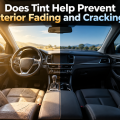
- Reduce contributors to interior fading
- Add daytime privacy
- Preserve natural daylight
- Improve certain aspects of year-round window performance
Luxury Glass Tinting provides professional residential window tinting in Los Angeles, including service for Culver City homeowners who want better heat control, glare reduction, privacy, and comfort.
The important question is not simply:
“Should I tint my windows?”
It is:
“Which film best solves the heat, glare, privacy, or efficiency problem in this particular room?”
Quick Answer: Can Residential Window Tinting Lower Cooling Costs?
Potentially, yes.
Solar-control window film reduces the amount of unwanted solar energy entering through treated glazing.
If less solar heat enters the home, the air-conditioning system may have less heat to remove.
That can reduce cooling demand.
However, actual energy savings depend on many factors, including:
- Window area
- Window orientation
- Glass type
- Existing coatings
- Exterior shading
- Film performance
- HVAC efficiency
- Thermostat settings
- Insulation
- Occupancy
- Weather
That means residential film should not be sold with a universal promise such as:
“You will save 30% on cooling every year.”
The more accurate claim is:
Window film can reduce solar heat gain and may reduce cooling-energy use when the home is actively being cooled.
What Does “Year-Round” Really Mean?
The phrase “year-round savings” needs some context.
Cooling savings are most relevant during periods when:
- The home is receiving significant solar heat
- Indoor temperatures rise above the cooling setpoint
- The air conditioner would otherwise operate
That may occur during many sunny periods in Southern California, but it is not accurate to assume that every home has the same cooling load every day of the year.
Some specialized films, particularly Low-E window film, may also improve certain aspects of cooler-season thermal performance by affecting radiant heat transfer through the glazing.
So the broader year-round benefits can include:
- Summer solar control
- Reduced glare
- UV protection
- Interior preservation
- Privacy
- Potential cooler-season thermal benefits with appropriate Low-E products
The exact energy effect depends on the film.
Why Sunny Windows Increase Cooling Demand
When sunlight reaches a window, some solar energy is:
- Reflected
- Absorbed by the glazing
- Transmitted into the room
The energy entering the room reaches surfaces such as:
- Floors
- Furniture
- Walls
- Countertops
- Rugs
- People
Those surfaces absorb energy and warm up.
They can then release heat into the indoor environment.
This is why the area directly beside a sunny window often feels hotter than the center of the same room.
The air conditioner may be trying to maintain one thermostat temperature while different parts of the home are experiencing very different solar loads.
Why West-Facing Windows Often Feel Especially Hot
West-facing glass can receive strong lower-angle sunlight during the afternoon.
That exposure can enter deeply into:
- Living rooms
- Kitchens
- Bedrooms
- Home offices
at a time when outdoor temperatures may already be elevated.
For many Culver City homes, these windows are among the first places worth evaluating when heat control is the goal.
South-facing windows can also receive substantial exposure depending on:
- Season
- Roof overhangs
- Landscaping
- Nearby buildings
The important point is that different sides of the same house can require different window-film solutions.
Large Windows Can Magnify Comfort Problems
Modern homes often use:
- Sliding glass doors
- Picture windows
- Window walls
- Large open-plan glazing
for architectural effect.
More glass can mean:
- More daylight
- Better views
but also potentially:
- Greater solar heat gain
- More glare
- More solar exposure to interiors
This does not mean large windows are inefficient by definition.
It means their glazing performance matters.
Understanding SHGC: One of the Most Important Heat Metrics
When evaluating heat-control film, one of the most useful technical terms is Solar Heat Gain Coefficient, or SHGC.
SHGC represents the fraction of solar radiation admitted through a window system that ultimately becomes heat indoors.
The scale ranges from 0 to 1.
Generally:
Lower SHGC = less solar heat gain.
The U.S. Department of Energy uses SHGC as a key metric when evaluating windows for climates where unwanted solar heat contributes to cooling demand.
When heat reduction is your main priority, SHGC can tell you much more than simply looking at how dark a film appears.
What Is TSER?
Another useful measurement is Total Solar Energy Rejected, or TSER.
TSER indicates the percentage of total incoming solar energy rejected by the glazing system.
Generally:
Higher TSER = greater total solar-energy rejection.
This makes TSER particularly useful when comparing two solar-control films.
A film with a higher TSER may provide stronger overall solar performance even if it does not look dramatically darker.
What Is VLT?
Visible Light Transmission, or VLT, measures how much visible light passes through the filmed glass.
Higher VLT generally means:
- Brighter rooms
- Lighter-looking glass
Lower VLT generally means:
- Darker appearance
- Less visible light
- Greater glare reduction
VLT and solar heat rejection are not the same thing.
A darker window does not automatically mean better overall heat performance.
Darker Tint Does Not Automatically Mean a Cooler Room
This is one of the biggest misconceptions about residential film.
Two films can have similar visible darkness while performing differently against solar heat.
Likewise, a relatively light high-performance film can sometimes provide excellent solar control.
Modern technologies allow homeowners to choose heat-control films that preserve more:
- Natural daylight
- Outdoor views
- Architectural appearance
This is particularly useful for Culver City homes where owners do not want a heavily tinted or mirrored façade.
IR Rejection Should Not Be the Only Number You Compare
Some window-film marketing focuses heavily on infrared rejection.
Infrared radiation is part of the solar spectrum and contributes to perceived heat.
But an IR number is not automatically the same thing as total solar heat rejection.
For an overall comparison, look at:
- TSER
- SHGC
- VLT
- Reflectance
- IR performance
together.
Does Window Film Reduce Air-Conditioning Use?
Potentially.
If a film reduces the amount of solar energy entering the home, the cooling system has less solar load to overcome.
The effect may be especially noticeable in rooms that currently experience:
- Afternoon overheating
- Constant AC use
- Large glass exposure
- Persistent hot spots
But the actual reduction in HVAC operation depends on the whole home.
Window film cannot correct:
- Poor attic insulation
- Major air leakage
- An undersized HVAC system
- Failed ductwork
- Poor thermostat placement
It addresses the solar contribution through the treated glazing.
Does Window Film Make the Whole Home the Same Temperature?
Not necessarily.
Solar film can reduce temperature differences caused by windows.
That can make sunny rooms feel more balanced relative to the rest of the house.
But room-to-room temperatures also depend on:
- HVAC airflow
- Duct design
- Insulation
- Ceiling height
- Occupancy
- Appliances
- Air leakage
So window film can help reduce window-related hot spots without guaranteeing perfectly uniform indoor temperatures.
Residential Window Film vs. Other Energy Upgrades
Window tint is one tool within a larger energy-efficiency strategy.
Different upgrades solve different problems.
| Upgrade | Main Problem Addressed |
| Solar-control window film | Solar heat gain, glare, UV |
| Low-E film | Solar gain plus certain radiant heat-transfer concerns |
| Attic/wall insulation | Conductive heat flow through building envelope |
| Air sealing | Uncontrolled air leakage |
| Smart thermostat | HVAC scheduling and temperature control |
| High-performance replacement windows | Glass, frame, air leakage, insulation, failed windows |
| Exterior shading | Direct sunlight before it reaches glass |
Rather than asking which option is universally “best,” identify where the unwanted heat is coming from.
If a room becomes uncomfortable primarily when sunlight reaches a large window, film may be a particularly targeted solution.
Window Film vs. Window Replacement
Window replacement may be appropriate if the existing windows have:
- Failed insulated-glass seals
- Damaged frames
- Significant air leakage
- Cracked glass
- Structural problems
- Severe deterioration
Window film cannot repair those problems.
But if the existing glazing is serviceable and the issue is primarily:
- Solar heat
- Glare
- UV exposure
- Privacy
film may offer a less disruptive retrofit.
It allows the existing windows to remain in place.

What Types of Residential Film Are Available?
Modern residential window film includes several different technologies.
Luxury Glass Tinting’s current residential options include:
- Reflective film
- Dual-reflective film
- Neutral film
- Specialty film
- Ceramic film
- Harmony film
- Spectrally selective film
- Low-E film
It also offers privacy and decorative products for other household-glass needs.
Each category creates a different balance of:
- Heat control
- Glare reduction
- Daylight
- Reflectivity
- Privacy
- Appearance
Reflective Window Film
Reflective film provides strong solar control and a more mirrored exterior appearance.
It can be useful for:
- Strong afternoon exposure
- High solar loads
- Street-facing windows
- Daytime privacy
The privacy effect is strongest when the exterior is brighter than the interior.
Reflective Film Is Not Guaranteed Nighttime Privacy
After dark, interior lighting may make the inside of the home brighter than the exterior.
When that happens, people outside may be able to see in more easily.
Reflective tint should therefore be described primarily as a daytime privacy solution.
Homeowners who require nighttime privacy may still use:
- Curtains
- Blinds
- Shades
or choose an obscuring film.
Dual-Reflective Window Film
Dual-reflective film combines:
- A more reflective exterior
- A less reflective interior
This can provide strong solar performance while reducing the mirror-like reflection homeowners may see from inside after dark.
It can work well in:
- Living rooms
- Dining spaces
- Large view windows
where both heat control and outward visibility matter.
Neutral Window Film
Neutral film offers:
- Heat reduction
- Glare control
- A relatively understated appearance
It is useful when homeowners want performance without a strongly mirrored exterior.
This may be a particularly good fit for traditional architecture or neighborhoods where subtle appearance matters.
Ceramic Residential Window Film
Ceramic film can offer:
- Strong heat control
- Reduced glare
- UV protection
- Low reflectivity
- Good optical clarity
Luxury Glass Tinting currently positions its ceramic residential film as a premium choice for bright, sun-exposed rooms where homeowners want strong heat and glare control with a natural appearance.
Ceramic is a strong option—but it is not automatically best for every home.
Spectrally Selective Film
Spectrally selective film is particularly useful when you want to reduce solar heat while preserving as much visible light as practical.
This can be valuable for:
- Large scenic windows
- Bright living rooms
- Modern homes
- View-focused spaces
Luxury Glass Tinting currently describes its spectrally selective film as a way to keep the view bright while rejecting heat with minimal visual change to the glass.
Specialty Window Film
Specialty film may prioritize optical clarity and subtle appearance while still improving solar comfort.
This can be useful when a homeowner says:
“I want less heat, but I don’t want my windows to look tinted.”
The exact performance depends on the product.
Harmony Window Film
Harmony film provides another appearance-focused option.
Luxury Glass Tinting currently describes it as having:
- A warmer tone
- Low reflectance
- Reduced harsh heat and glare
This may suit interiors where a softer glass appearance is preferred.
Low-E Window Film
Low-E film can be relevant when homeowners want more than summer heat control.
Low-E means low emissivity.
Depending on the specific product and glazing system, Low-E film can influence radiant heat transfer.
Luxury Glass Tinting currently positions Low-E film as a year-round efficiency option designed to:
- Reflect summer heat
- Help retain warmth during cooler conditions
The exact performance should always be checked against the selected product and existing glass.
Low-E Film Is Different From Ordinary Solar Tint
Standard solar film primarily targets incoming solar heat.
Low-E technology also addresses emissivity and radiant heat transfer.
That does not mean every film offers the same winter benefit.
If cooler-season heat retention matters, confirm that the proposed product is specifically designed as a Low-E film.
What Is U-Factor?
U-factor is another useful window-performance metric.
It measures the rate of heat transfer through a window system.
Generally:
Lower U-factor = less heat transfer.
This differs from SHGC:
- SHGC focuses on incoming solar heat.
- U-factor focuses on heat transfer through the overall glazing system.
Low-E products may be evaluated partly around U-factor improvements.
Decorative Film Does Not Automatically Save the Same Energy as Solar Film
Decorative film is primarily used for:
- Privacy
- Design
- Frosted appearance
- Light diffusion
Some decorative products may offer UV or solar benefits.
Others may not.
Do not assume that a frosted bathroom film will perform like a dedicated solar-control film installed on a west-facing living-room window.
Security Film Is Also a Separate Product Category
Safety/security film is designed primarily around:
- Broken-glass retention
- Reducing loose fragments
- Forced-entry delay in appropriate systems
It should not automatically be treated as a solar-energy product.
Some security films may include solar-control features, but the exact performance needs to be verified.
Does Residential Film Block UV?
Quality solar-control window films can provide substantial UV protection.
The Skin Cancer Foundation currently requires qualifying window films carrying its Seal of Recommendation to demonstrate at least 99% blockage of UVA and UVB radiation.
However, the exact claim should always be tied to the product.
Not every decorative or privacy film should automatically be described as blocking 99% of UV.
UV Protection Can Help Preserve Interiors
UV radiation is one contributor to the fading and deterioration of:
- Hardwood flooring
- Rugs
- Furniture
- Curtains
- Artwork
- Photographs
Window film can reduce UV exposure through treated glass.
But UV is not the only cause of fading.
Window Film Cannot Completely Stop Fading
The International Window Film Association says window film can reduce fading but cannot eliminate it.
Other contributing factors include:
- Visible light
- Solar heat
- Material chemistry
- Age
A better claim is:
Window film reduces important solar contributors to fading and can help preserve interiors for longer.
Glare Reduction Is Another Major Culver City Benefit
Solar heat is only one reason sunny rooms become uncomfortable.
Glare can make it difficult to:
- Work on a laptop
- Watch television
- Read
- Use tablets
- Relax comfortably
Solar-control film can reduce visible-light intensity before it reaches those surfaces.
This can make home offices and entertainment rooms much more usable during bright periods.
Can You Reduce Glare Without Making the Room Dark?
Often, yes.
The right film can reduce excessive brightness while allowing useful daylight to remain.
This is another reason to compare VLT rather than simply asking for “dark tint.”
The ideal balance depends on:
- Room
- Window orientation
- Screen placement
- Desired brightness
Privacy Can Be Added at the Same Time
Some solar films can also increase privacy.
Reflective and dual-reflective films are particularly relevant for:
- Street-facing living rooms
- Windows facing neighbors
- Ground-floor spaces
However, privacy performance varies with lighting.
If you need consistent privacy day and night, consider:
- Frosted film
- White frost
- Opaque film
- Window coverings
depending on the room.
Can Window Film Lower Cooling Bills by 30%?
This should not be promised universally.
The source draft claims annual cooling savings as high as 30%, but the actual result depends on:
- Building
- Glass
- Film
- Orientation
- HVAC
- Climate
- Occupancy
- Energy rates
A home with large unshaded west-facing glazing may have a much stronger economic case than a shaded home with modern high-performance glass.
The correct approach is to evaluate the property.
Does Window Film Have a Guaranteed 2–3 Year Payback?
No.
There is no universal payback period.
Return on investment depends on:
- Installation cost
- Energy prices
- Amount of treated glass
- Existing window performance
- Cooling usage
- Film performance
- Length of ownership
For some homes, comfort and glare reduction may be the primary value even if the project does not produce a rapid financial payback.
What About Non-Energy Benefits?
Energy savings are only one part of the value.
Homeowners may also choose film because it improves:
- Room comfort
- Glare
- Daytime privacy
- UV protection
- Interior preservation
- Window appearance
These benefits can matter even when exact utility savings are difficult to calculate.
Does Window Film Extend HVAC Life?
This is another claim that should be treated carefully.
Reducing solar heat gain may reduce cooling demand.
But HVAC lifespan depends on:
- Equipment age
- Maintenance
- Installation
- Design
- Runtime
- Refrigerant system
- Mechanical condition
Window film should not be sold as guaranteeing extra years of HVAC service.
A safer claim is:
Reducing unwanted solar heat can reduce part of the cooling load the system needs to handle.
Environmental Benefits Depend on Actual Energy Savings
If residential film reduces electricity used for cooling, it can reduce the energy associated with maintaining indoor comfort.
That may support broader household energy-efficiency goals.
But the environmental impact varies according to:
- Actual electricity reduction
- Utility generation mix
- Film
- Home
- Climate
Film is one possible efficiency measure—not a universal environmental solution.
Can Window Film Be Installed on Double-Pane Glass?
Often, yes.
But the film must be appropriate for the glazing.
Insulated glass responds differently to solar energy than single-pane glass.
Window film changes:
- Solar absorption
- Transmission
- Reflection
so product-to-glass compatibility matters.
What About Low-E Windows?
Low-E glazing requires additional evaluation.
The International Window Film Association says suitability depends on:
- The type of Low-E surface
- Where the Low-E coating is located
- The desired reduction in heat gain
- The desired reduction in heat loss
Do not assume that Low-E glass cannot be filmed.
Do not assume every film is appropriate either.
The existing window construction should be identified first.
Can Window Film Cause Glass to Break?
Glass can break from thermal stress.
Film changes how much solar energy the glass absorbs.
For that reason, film manufacturers publish film-to-glass compatibility tables.
Proper selection is especially important for:
- Insulated glass
- Large panes
- Laminated glass
- Coated glass
- Factory-tinted glass
Professional installation should include appropriate glass assessment.
Window Film Does Not Prevent Thermal Stress
The original draft suggests professionally installed film can protect glass from thermal stress and cracking.
That is not an appropriate blanket claim.
A correctly specified film can be installed safely on compatible glazing.
But film changes thermal behavior, which is exactly why manufacturer compatibility guidance must be followed.
Professional vs. DIY Residential Window Film
DIY film is not automatically a poor choice.
Simple projects can be reasonable for:
- Small panes
- Temporary privacy
- Static-cling products
- Basic decorative applications
Professional installation becomes more valuable when the project involves:
- Large windows
- Whole-home solar control
- Double-pane glass
- Low-E glazing
- Large adjacent panes
- Product warranties
- Precise appearance
- Security-film systems
The more technically demanding the project, the more important product selection becomes.

How Professional Residential Tinting Is Installed
Luxury Glass Tinting’s current residential process begins with the room rather than simply choosing the darkest film.
Step 1: Review Heat, Glare, and Privacy
The installer evaluates how the room is currently used.
Questions may include:
- When does the room feel hottest?
- Which windows receive direct sun?
- Is glare the main problem?
- Is privacy important?
- How much daylight should remain?
Step 2: Identify the Glass
The window construction should be evaluated for film compatibility.
Step 3: Choose the Film
Compare products based on:
- TSER
- SHGC
- VLT
- Reflectivity
- UV performance
- Appearance
Step 4: Measure Each Pane
Luxury Glass Tinting currently measures and cuts residential film per pane.
This helps create:
- Consistent coverage
- Clean edges
- Uniform appearance
Step 5: Clean the Glass
Contamination must be removed before installation.
Step 6: Apply the Film
Architectural film is commonly wet-installed using a water-based application solution.
This allows accurate positioning before the film is finished.
Step 7: Finish and Inspect
The installer checks:
- Edges
- Alignment
- Clarity
- Coverage
- Overall consistency
Does Film Look Perfect Immediately?
Freshly installed film can contain temporary installation moisture.
This may cause:
- Light haze
- Moisture patterns
- Small water pockets
- Temporary optical changes
These conditions typically change as the film dries.
Cure time varies according to:
- Film
- Glass
- Temperature
- Humidity
- Sun exposure
There is no universal rule that every residential film must remain untouched for exactly 30 days.
Follow the installer’s product-specific guidance.
When Can You Clean New Residential Film?
Wait until the installer says the film has cured sufficiently for cleaning.
Luxury Glass Tinting currently advises customers to avoid cleaning during the initial curing period.
Afterward, use gentle methods.
How to Clean Residential Window Film
The International Window Film Association recommends:
- A soft clean cloth
- A clean synthetic sponge
- Non-abrasive glass cleaner
- A soft squeegee or cloth for drying
Avoid:
- Abrasive pads
- Scrapers
- Harsh abrasive cleaners
These can damage the film surface.
How Long Does Residential Window Film Last?
There is no universal 15–20 year service-life guarantee.
IWFA says film life varies according to:
- Film type
- Glass
- Window construction
- Compass orientation
- Geographic location
Manufacturers offer product-specific warranties.
That written warranty is more useful than a generic lifespan estimate.

Different Windows Can Age Differently
A highly exposed west-facing pane may experience different conditions from a shaded north-facing window.
Factors include:
- Sun exposure
- Heat
- Glass
- Film
- Cleaning
That is another reason not to promise one lifespan for every window in the home.
How to Choose the Best Film for a Culver City Home
Start with the actual problem.
If Heat Is the Main Problem
Compare:
- TSER
- SHGC
- Glass compatibility
Potential options may include:
- Reflective
- Ceramic
- Spectrally selective
- Other high-performance solar films
If You Want Heat Control With Minimal Visual Change
Consider:
- Spectrally selective
- Specialty
- Higher-VLT ceramic options
If Privacy Is Important
Consider:
- Reflective
- Dual-reflective
- Frosted film for stronger consistent privacy
If Glare Is the Main Problem
Compare visible-light transmission and glare performance.
If Year-Round Thermal Performance Matters
Ask specifically about:
- Low-E film
- U-factor effects
- Compatibility with existing glazing
Room-by-Room Film Strategy
You do not necessarily need the same film throughout the entire home.
West-Facing Living Room
Priorities may include:
- Heat
- Glare
- View
Possible options:
- Ceramic
- Dual-reflective
- Spectrally selective
Home Office
Priorities:
- Screen glare
- Heat
- Daylight
A neutral or spectrally selective product may offer a good balance.
Street-Facing Bedroom
Priorities:
- Privacy
- Heat
Options may include:
- Dual-reflective film plus nighttime coverings
- Frosted film if maintaining the view is less important
Bathroom
Privacy usually matters more than solar performance.
Frosted or decorative film may be more appropriate.
Sliding Glass Doors
Large glass areas can contribute significant solar heat.
Evaluate:
- TSER
- SHGC
- View preservation
- Reflectivity
carefully.
Common Residential Window Tinting Myths
Myth: Every Home Can Save 30% on Cooling
False.
Actual savings depend on the home and film.
Myth: Window Film Always Pays for Itself in 2–3 Years
False.
There is no universal payback period.
Myth: Every Residential Film Reduces Energy Use the Same Way
False.
Decorative, security, solar-control, and Low-E products serve different purposes.
Myth: Darker Film Always Rejects More Heat
False.
Solar performance depends on film technology and total energy performance.
Myth: Ceramic Film Is Always the Best Option
False.
The best product depends on heat, daylight, privacy, appearance, and glass.
Myth: All Residential Film Blocks Exactly 99% UV
False.
Check the specification of the exact film.
Myth: Window Film Stops Fading Completely
False.
It reduces major solar contributors but cannot eliminate fading.
Myth: Professional Film Protects Glass From Thermal Stress
False.
Film changes solar absorption, so compatible product selection is important.
Myth: Every Window Film Helps Keep Heat Inside During Winter
False.
That benefit is associated with specific Low-E or insulating-performance products, not every solar film.
Myth: All Quality Film Lasts 15–20 Years
False.
Service life and warranties vary.
Myth: Window Film Guarantees Longer HVAC Life
False.
It may reduce solar cooling load but cannot guarantee equipment lifespan.
Frequently Asked Questions
Does residential window tint really reduce heat?
Yes. Solar-control film can reduce the amount of solar energy entering through treated glass. Performance varies by film, glass, orientation, and exposure.
Can window film lower my cooling bill?
Potentially. Reducing solar heat gain can reduce cooling demand, but the amount of financial savings varies by home.
How much can window film save on energy bills?
There is no universal percentage. A building-specific assessment is more reliable than a generic online savings claim.
Does residential tint work year-round?
Solar-control benefits remain present whenever sunlight reaches the treated glazing. Low-E products may also offer additional cooler-season thermal benefits. Cooling savings themselves are relevant when cooling is actually needed.
What is TSER?
Total Solar Energy Rejected indicates how much total solar energy is rejected by the glazing system.
What is SHGC?
Solar Heat Gain Coefficient measures the fraction of solar radiation admitted through the window and converted to indoor heat. Lower generally means less solar heat gain.
What is U-factor?
U-factor measures heat transfer through the window system. Lower values indicate less heat transfer.
Is ceramic window film good for Culver City homes?
Ceramic film can be an excellent option when strong heat control, low reflectivity, UV protection, and natural appearance are priorities.
Is ceramic better than reflective film?
Not universally. Reflective film may provide stronger daytime privacy and different solar performance, while ceramic may be preferable where a low-reflective appearance matters.
What is spectrally selective film?
It is film designed to reject significant solar energy while maintaining relatively high visible-light transmission.
What is Low-E film?
Low-E film is designed to reduce emissivity and influence radiant heat transfer, potentially improving certain aspects of year-round window performance.
Will tint make my home dark?
Not necessarily. Modern residential products range from visually light films to darker and more reflective options.
Can window film reduce glare on my TV?
Yes. Appropriate solar film can reduce excessive visible light and glare.
Does residential film block UV?
Many high-performance solar films provide substantial UV protection. Products earning the Skin Cancer Foundation’s current Seal of Recommendation must block at least 99% of UVA and UVB.
Does UV protection stop furniture from fading?
It can reduce an important fading factor, but visible light, heat, material chemistry, and age still matter.
Does reflective tint give me nighttime privacy?
Not reliably. Privacy can decrease after dark when interior lighting is brighter than outside.
Can film be installed on double-pane windows?
Often, yes, if the selected film is compatible with the glazing system.
Can film be installed on Low-E glass?
Sometimes. Compatibility depends on the Low-E coating type and its location within the window assembly.
Can window film cause glass to crack?
Film can affect solar absorption and thermal stress, which is why manufacturers publish film-to-glass compatibility guidelines.
Is residential window tint better than replacing windows?
They solve different problems. Film can improve solar performance on compatible existing windows, while replacement may be needed for failed seals, damaged frames, cracked glass, or major air leakage.
How long does home window film last?
Service life varies by product, glass, orientation, exposure, and climate. Check the written manufacturer warranty for the exact film.
How long does installation take?
Luxury Glass Tinting currently says most residential window-film installations are completed in a single visit, with timing depending on pane count and window size.
Reduce the Solar Load—Then Measure the Savings
Residential window tinting can be a valuable Culver City home upgrade when the main problem is sunlight entering through otherwise serviceable windows.
The strongest benefits can include:
- Reduced solar heat gain
- Fewer window-side hot spots
- Less glare
- UV protection
- Improved daytime privacy
- Better comfort
- Potentially lower cooling demand
But the best residential film strategy should avoid exaggerated promises.
Window film cannot guarantee:
- 30% annual cooling savings
- A 2–3 year payback
- Perfectly uniform temperatures
- Longer HVAC life
- Permanent protection from fading
- A universal 15–20 year service life
What it can do is improve the way compatible glazing manages solar energy.
Luxury Glass Tinting offers professional residential window tinting in Los Angeles with current film options including:
- Reflective film
- Dual-reflective film
- Neutral film
- Specialty film
- Ceramic film
- Harmony film
- Spectrally selective film
- Low-E film
For Culver City homeowners, the best place to start is by identifying:
Which rooms overheat?
Which windows receive the strongest sun?
How much natural light do you want to preserve?
Is privacy important?
What type of glass do you already have?
Once those questions are answered, the film can be selected around actual performance rather than marketing percentages.
That is how residential window tinting can become a practical part of a cooler, more comfortable, and potentially more energy-efficient Culver City home throughout the year.