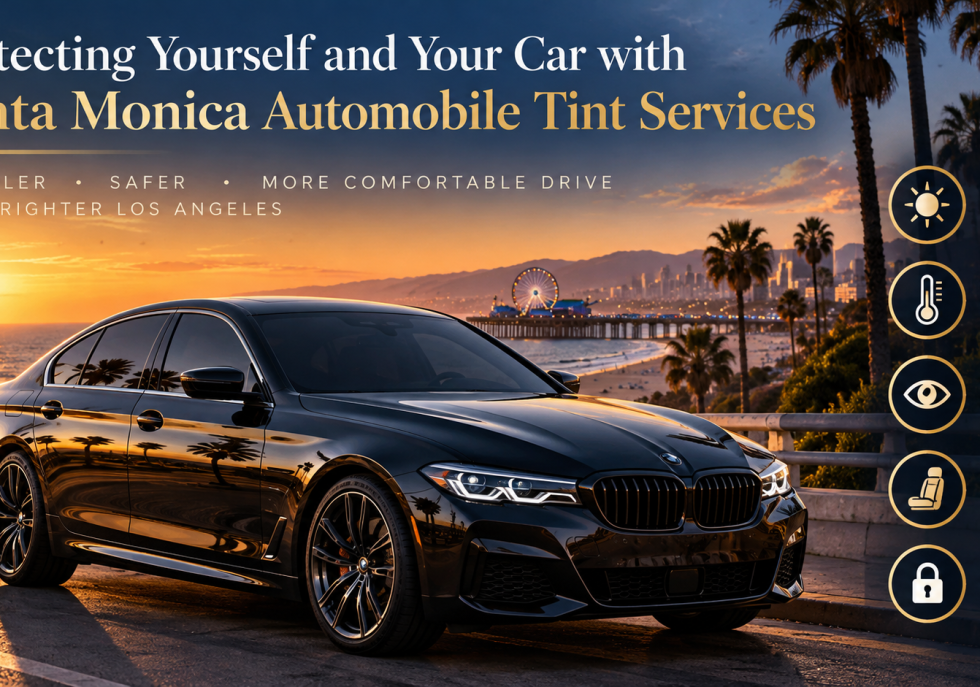
Window tinting is about much more than giving your vehicle a darker, more private appearance. For drivers in Santa Monica and across Los Angeles, quality automotive window film can help reduce solar heat, block harmful UV radiation, control glare, improve privacy, and protect interior materials from prolonged sun exposure.
With Santa Monica’s sunny coastal climate and the amount of time many Southern California drivers spend on the road, choosing the right automotive tint can make everyday driving more comfortable while helping protect both occupants and the vehicle.
Professional car window tinting allows you to select a film based on measurable performance rather than darkness alone.
Why Santa Monica Drivers Choose Automotive Window Tinting
Automotive window film can address several common problems caused by sunlight entering through vehicle glass.
A quality film can improve cabin comfort by managing solar energy, reduce distracting glare, provide UV protection, increase privacy, and reduce prolonged sun exposure to dashboards, upholstery, leather, and other interior materials.
The actual benefits depend on the film technology, shade, glass, installation quality, and performance specifications.
That is why choosing the appropriate product matters just as much as choosing to tint your windows in the first place.
Protect Yourself From UV Radiation While Driving
Many drivers assume vehicle glass completely protects them from ultraviolet radiation.
That is not always the case.
Modern laminated windshields typically provide substantial UV protection, but side, rear, and sunroof glass may allow more UVA radiation to reach vehicle occupants.
UVA exposure is associated with skin aging and can contribute to skin damage and skin cancer risk over time.
According to the Skin Cancer Foundation, qualifying automotive UV window film can block 99% or more of UVA and UVB radiation.
This can be particularly useful for Santa Monica and Los Angeles drivers who spend long periods commuting or driving in strong sunlight.
However, the darkness of a film does not automatically determine its UV protection. Clear and relatively light automotive films can also provide substantial UV blocking when specifically designed for that purpose.
When comparing window tint, check the UV specifications of the actual product rather than assuming a darker film provides greater protection.
Reduce Solar Heat Inside Your Vehicle
A vehicle parked or driven in direct Southern California sunlight can become uncomfortable quickly.
Automotive window film can help by reducing the amount of solar energy entering through the glass.
The amount of heat reduction varies substantially between films, so it would be misleading to promise that every window tint makes a vehicle a specific percentage cooler.
Instead, compare measurable specifications such as Total Solar Energy Rejected (TSER).
TSER provides a broader indication of how much total solar energy the glazing-and-film system rejects.
Premium ceramic and nano-ceramic films can provide strong solar heat control without requiring extremely dark windows, making them particularly attractive to drivers who want performance while maintaining good visibility.
Does Darker Tint Keep Your Car Cooler?
Not necessarily.
Tint darkness and heat rejection measure different things.
Darkness is generally described by Visible Light Transmission (VLT), which indicates how much visible light passes through the glazing system.
A lower VLT generally creates a darker appearance, while a higher VLT allows more visible light through.
Heat rejection depends on the construction and technology of the film.
For this reason, a lighter premium ceramic film may offer better solar heat control than a darker entry-level film.
When heat reduction is your main goal, compare performance specifications rather than choosing the darkest option available.
Reduce Glare for More Comfortable Driving
Strong sunlight can create significant glare along Santa Monica’s streets and highways, particularly during early morning and late-afternoon driving.
Automotive window film can reduce the amount of visible light entering through treated windows and make bright driving conditions more comfortable.
Glare reduction can be especially useful when sunlight reflects from pavement, buildings, other vehicles, or surrounding surfaces.
However, excessively dark tint can also reduce visibility, particularly at night.
The goal should be an appropriate balance between glare reduction, daytime comfort, nighttime visibility, and California legal requirements.
Help Protect Your Vehicle’s Interior
Sunlight and heat can gradually affect automotive interiors.
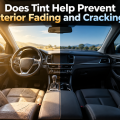
Leather, upholstery, dashboards, door panels, plastic trim, and other surfaces may experience fading, discoloration, drying, or deterioration after prolonged solar exposure.
UV radiation is one contributor to fading, but visible light and heat also play a role.
Quality automotive window film can reduce several forms of solar exposure reaching interior materials, helping preserve their appearance for longer.
It would be inaccurate to claim that tint completely prevents fading or guarantees a higher resale value, but keeping an interior in better condition can certainly help maintain the vehicle’s overall presentation over time.
Improve Privacy Without Sacrificing Visibility
Privacy is another major reason drivers choose automotive tint.
Tinted windows can make the inside of a vehicle less immediately visible from outside, depending on the film shade, ambient lighting, glass, and viewing angle.
This may provide greater privacy for occupants and make belongings inside the cabin less noticeable.
Window tint should not, however, be treated as an anti-theft system.
Valuables should still be removed from view, and drivers should not select a tint so dark that outward visibility becomes unsafe.
Does Regular Window Tint Make Car Glass Safer in an Accident?
This benefit needs to be described carefully.
Standard automotive window film is bonded to the glass and may help some glass fragments remain attached to the film after breakage. However, ordinary solar-control tint should not be marketed as making vehicle windows impact-proof or as guaranteeing protection from flying glass during an accident.
Specialized safety and security films are engineered differently and should be distinguished from conventional automotive tint.
If increased glass retention is an important priority, ask specifically about products designed and tested for that purpose rather than assuming any window tint provides the same level of protection.
What Type of Window Tint Is Best for Santa Monica?
The right film depends on your priorities and budget.
Ceramic Window Tint
Ceramic window tint is a premium option for drivers who prioritize solar heat rejection, UV protection, optical clarity, and non-metallic construction.
Because high-performance ceramic tint does not rely solely on dark shades to manage solar energy, it can be a strong choice for Southern California driving conditions.
Nano-Ceramic Window Tint
Nano-ceramic films use very small non-metallic particles engineered to manage solar energy.
They are often selected by drivers who want premium heat rejection, UV protection, clarity, and good electronic signal compatibility.
Carbon Window Tint
Carbon film can provide a useful middle ground between basic dyed films and premium ceramic products.
Quality carbon films typically offer a non-reflective appearance, heat control, privacy, and good color stability without using metallic construction.
Dyed Window Tint
Dyed film is generally a more affordable option.
It can improve privacy, reduce visible light, and enhance the appearance of your vehicle. However, its solar performance and long-term stability depend heavily on the quality of the particular product.
Understand California Window Tint Laws
California regulates materials applied to vehicle windows, so legal compliance should be considered before selecting a film.
California Vehicle Code Section 26708 contains different requirements depending on the position of the window and type of material being installed.
For qualifying clear, colorless, transparent material applied to the front side windows, current California law requires the material itself to have at least 88% visible light transmittance, while the glass-and-film combination must satisfy the applicable 70% light-transmission requirement under federal glazing standards. Certification requirements also apply.
Different provisions apply to rear side windows, rear windows, windshield applications, and certain medical circumstances.
Because the requirements depend on the specific window and application, do not choose a tint based solely on a generic percentage chart found online.
A professional installer can explain available options, but drivers should also verify current California requirements before installation.
What Should You Look for in Automotive Window Film?
Instead of comparing films only by how dark they appear, evaluate the specifications that relate directly to your priorities.
If heat reduction matters most, compare TSER and the manufacturer’s solar-performance data. For UV protection, verify the published UV rejection. For privacy and appearance, consider VLT. You should also compare optical clarity, reflectivity, film construction, warranty coverage, and manufacturer reputation.
Pay particular attention to how infrared-rejection claims are presented. Manufacturers may test infrared performance across different wavelength ranges, so two large percentage claims are not necessarily directly comparable.
Why Professional Installation Matters
Even premium window film can look poor or fail prematurely when it is installed incorrectly.
Professional automotive tint installation involves careful glass preparation, accurate cutting, film shrinking and shaping, moisture removal, edge finishing, and inspection.
Poor installation may result in bubbles, trapped contamination, creases, lifting edges, inconsistent cuts, or premature peeling.
Professional installation also gives you an opportunity to compare different film samples and discuss which options suit your vehicle, driving habits, and California requirements.
Luxury Glass Tinting provides professional window tinting in Santa Monica for drivers seeking heat control, UV protection, privacy, glare reduction, and a clean finished appearance.
Frequently Asked Questions About Santa Monica Car Window Tinting
Can automotive window tint block 99% of UV rays?
Yes. Certain high-quality automotive window films are designed to block 99% or more of UVA and UVB radiation. Always confirm the specifications of the exact film being installed rather than assuming every tint provides identical UV protection.
Does automotive tint make a vehicle 60% cooler?
There is no universal percentage that applies to every vehicle or film. Heat reduction depends on film technology, glass, VLT, vehicle design, sun exposure, and other conditions. Compare TSER and manufacturer performance data instead of relying on a fixed temperature-reduction claim.
Is darker car tint better for heat rejection?
Not necessarily. Darkness and solar heat rejection are different characteristics. A lighter premium ceramic film can potentially reject more solar energy than a darker entry-level film.
What does VLT mean in car window tinting?
VLT stands for Visible Light Transmission. It measures the percentage of visible light passing through the glazing system. Higher VLT means more visible light passes through; lower VLT generally creates a darker appearance.
Is ceramic window tint worth it in Santa Monica?
Ceramic film can be particularly useful in sunny Southern California when heat rejection, UV protection, optical clarity, and premium long-term performance are priorities. Whether it is worth the additional cost depends on your budget and expectations.
Does window tint stop car interiors from fading?
Window film can reduce UV radiation, visible light, and solar heat that contribute to fading and deterioration. It can help protect interiors, but no window film can guarantee that materials will never fade.
Is car window tint legal in Santa Monica?
Santa Monica follows California vehicle window regulations. Different requirements apply depending on the window position and type of material, so the film and installation need to comply with current California law.
Professional Automobile Tint Services in Santa Monica
The best automotive window tint should provide more than a stylish appearance.
For Santa Monica drivers, quality film can help reduce solar heat, block harmful UV radiation, control glare, improve privacy, and protect the vehicle’s interior from prolonged sun exposure.
The key is choosing a film based on measurable performance, safe visibility, California requirements, and professional installation rather than simply selecting the darkest shade.
Luxury Glass Tinting provides professional automotive window tinting for Santa Monica and the greater Los Angeles area, with film options designed for different levels of solar performance, appearance, UV protection, and privacy.
Explore our Santa Monica window tinting services to find the right solution for your vehicle.